

Community fair activities in NSW for all ages
A fair feels more engaging when visitors can join in, not just browse. Engaging activities for community fairs across NSW might include calm alpaca encounters, easy-to-join board games and children’s art stations. Together, they give families and other visitors different ways to connect, whether they’re after a relaxed moment, a shared challenge or a creative activity.
Choosing activities for a mixed-age crowd takes more than filling gaps in the program. The right mix depends on your audience, available space and whether people can take part at their own pace. This guide explains how to plan animal encounters, games and art activities that work together, with practical ideas for children, families and the wider community. Thoughtful coordination helps activities fit naturally into the fair, so visitors can join in without feeling rushed or excluded.
Table of Contents
Alpaca encounters and photography
For a fair on a park or other council-owned area, organisers can need paperwork and environmental plans. Approvals depend on the event site and activities, so include alpaca encounters, rides and stalls in the planning discussion.
Food stalls, temporary structures and amusement devices each need separate consideration. Plan their setup and operation for the event location rather than assuming one approval covers every activity.
An alpaca encounter can offer visitors a calm, memorable focal point. Plan a clear approach route, a waiting area and a separate spot for photos. This helps groups move through the activity without blocking nearby stalls or walkways.
Before the fair, agree on how visitors will interact with the animals and take photos. A host can explain the activity, guide people through the space and help keep the flow steady. Keep the photo area simple, with a clear background and enough room for families to gather without crowding the encounter.
Make participation flexible. Some visitors may want a photo; others may prefer to watch nearby. Pairing the encounter with a drawing prompt, such as sketching an alpaca’s features, gives children another way to join in. These activities can help make a vibrant fair welcoming to different ages and interests.
For organisers applying to the Stronger Together Festival and Event Grant Program, budget limits matter. According to Multicultural NSW, no more than 20% of a project budget can be used for catering. According to Multicultural NSW, no more than 10% can be used for administration costs related to project delivery. These limits help frame budget planning; they do not set the cost of an alpaca activity.
Include the encounter in the event plan alongside access routes, photo flow and nearby activities. This helps it fit the wider fair program and gives visitors more than one way to take part.
Organisers may need paperwork and environmental plans for events on council-owned land. Requirements depend on the site and activities. Food stalls, temporary structures and amusement devices need separate consideration, so include them in the relevant planning process rather than assuming one approval covers everything.
Children's art activities
A well-planned art station gives children a clear way to contribute to the fair. Offer a simple project, such as decorating paper flags, making a community collage or drawing a favourite local place. A shared display shows how individual creations can become part of a larger piece.
Keep the activity easy to follow: set out the materials, show an example, explain the prompt and let children work at their own pace. Prompts such as “draw a place where you feel welcome” invite personal responses without requiring a particular skill. A volunteer can help children find materials or add their work to the display.
For an outdoor station, organise the layout so paper and drawing materials stay manageable. Put finished artwork in a separate display area, away from the work surface. Offer pencils, crayons and washable markers, along with larger paper for children who prefer to draw standing up. A choice of tools makes the activity easier to approach in different ways.
Community collage: Invite children to add a picture or colour to a shared scene of their neighbourhood.
Cultural pattern cards: Work with local artists or community members to shape respectful prompts and explain their meaning.
Nature sketching: Ask children to draw leaves, clouds or other details they can observe around the fair.
Keep instructions brief and the activity open-ended. If children arrive at different times, a self-guided prompt card helps each one get started without waiting for a group introduction. Displaying finished work also gives families a natural place to pause and talk.
To fit an art station into a wider fair program, consider how its layout, materials and display connect with other activities. A thoughtful approach to community fair planning can help the project sit naturally within the event.
What low-cost activities can NSW community fairs offer for children and families?
Choose activities with simple materials that invite shared participation and suit a range of ages. A board-game table, family scavenger hunt or community quiz can give visitors a reason to pause and join in. Reusable game pieces and prompt cards make it easier to run activities throughout the fair.
Set up each activity in a safe, monitored space where people can socialise and share interests. For a board-game area, provide clear instructions and a mix of quick and longer games. A volunteer can explain the rules, help groups get started and welcome visitors who arrive on their own.
Community scavenger hunt: Prepare a simple checklist of fair features, such as a local artwork, a market stall or a bright colour.
Family quiz: Write questions about local places, community traditions and everyday topics, then invite families to answer together.
Story circle: Offer a prompt such as “a memorable day in our town” and let participants share a short story or listen.
Board-game corner: Arrange familiar games with visible instructions, so visitors can join without waiting for a formal start.
Keep the program manageable by choosing activities that suit the fair’s audience and layout. Place quieter options, such as a quiz or game table, away from busy paths. A scavenger hunt can encourage families to explore different areas, while a story circle offers a shared pause. Simple signs can show visitors how to take part and where each activity begins.
Give each activity a clear start and finish, even if visitors can join at different times. A quiz might use individual question cards, while families can complete a scavenger hunt at their own pace. These formats allow flexible participation and give children and adults a shared task without elaborate equipment or a tightly timed program.
How much does it cost to hire rides, inflatables, or activity providers in NSW?
There isn’t one fixed hire price for every NSW fair. The price depends on the event and is provided after a quote request; key cost factors include the activity, hire duration, location, delivery, setup and staffing. A small inflatable and a ride requiring specialist transport have different logistical needs, so compare quotes for the same service.
Define the activity before requesting a quote. Note the event date and location, operating hours, and whether you need setup or attendants. Hiring an inflatable for a short program, for example, differs from booking an activity provider for a full day. Clear details help suppliers price your actual requirements rather than make assumptions.
Activity type: A ride, inflatable, craft station or hosted game may involve different equipment and staff.
Hire period: State the operating hours and whether setup or pack-down time is part of the booking.
Location: Identify the fair site and access arrangements, as travel and delivery affect logistics.
Site needs: Describe the available space and any practical requirements, such as access to power.
Staffing: Clarify whether the activity needs an attendant or a host to guide participants.
When quotes arrive, compare what each includes. Check whether delivery, setup, staffing and pack-down are included in the total or listed separately. A lower headline figure may cover less of the service. Use a simple budget sheet to record each supplier, included items and additional requirements, then compare the full cost with your fair’s activity budget.
Also weigh the activity’s role in the program. A single ride may draw attention, while a hosted game can encourage repeated participation. Choosing a suitable mix helps balance the budget with the experience you want visitors to have. Plan your fair’s activity mix with event coordination support.
AMA Event Management: Market Management and Vendor Coordination
AMA Event Management organises Community Festivals and Fairs and provides Market Management and Vendor Coordination. Turn to the team when you need to shape a fair program and coordinate vendors alongside activities such as children’s art stations, board games or alpaca encounters.
Clear coordination helps each part of the fair fit its layout and visitor flow. Vendor placement, activity areas and movement routes need to work together so families can explore without congestion. For organisers, this is a practical next step after choosing activities and setting priorities.
To discuss your community fair, contact AMA Event Management or visit amaeventmanagement.com.au.
Shape your fair around the experience you want to create
Before finalising the program, decide what you want visitors to take away: a shared memory, a new connection or a stronger sense of local identity. That purpose can guide the atmosphere, activity mix and how each element fits together. Engaging activities for community fairs across NSW work best when they connect with the community, rather than simply filling space in the schedule.
AMA Event Management can help organise the event framework and develop a Themed Brand Activation where it suits the brief. A clear direction makes it easier to align the fair’s elements with the experience you want families and other visitors to have.
Ready to turn your ideas into a considered event plan? Contact AMA Event Management to discuss your fair and take the next step towards a welcoming community gathering.
Frequently Asked Questions
What activities are popular and engaging at community fairs in NSW?
Activities that invite visitors to join in can make a fair more social. Alongside animal encounters and creative stations, consider a local talent showcase, community trivia or demonstrations by makers. A craftsperson, for example, could show how a handmade item is made, then invite visitors to try a simple step. Choose activities that reflect the people and character of the area.
What interactive activities work well for teens and adults at community fairs?
Teens and adults may enjoy a shared challenge or the chance to learn something practical. Try a local knowledge quiz, a short sporting skills challenge or a workshop led by a community member. Karaoke can also encourage informal participation. Offer different ways to join in, such as competing, supporting a team or watching, so visitors can choose what feels comfortable.
How can NSW community fairs find local performers, makers, sporting clubs, and activity providers?
Build a local contact list by approaching schools, community groups, Indigenous organisations, councils and nearby businesses. Ask them to suggest performers, makers or clubs whose work reflects the area. In Sydney, organisers could invite community groups to propose a demonstration or performance, then coordinate its timing and space. A clear invitation describing the audience and event theme helps contributors decide whether it suits them.
What activities suit different NSW community fair settings, budgets, and age groups?
Match each activity to the venue, audience and available resources. An open park may suit a walking trail or outdoor demonstration, while a compact community hall can accommodate tabletop games or a quiz. For engaging activities at community fairs in NSW, combine active options with quieter choices. Consider whether children can take part with family members and whether older visitors have comfortable places to pause nearby.
How should organisers plan, book, and promote activities for a community fair in NSW?
Start with the fair’s purpose and audience, then draft a program that fits the site and available resources. Contact contributors with the proposed activity, timing and practical requirements, and assign a coordinator to each booking. Promote the program through suitable community channels and make participation details clear. If you need coordinated event planning, AMA Event Management offers Community Festivals and Fairs and Market Management and Vendor Coordination.
How can community fairs make activities accessible and inclusive for people with disability?
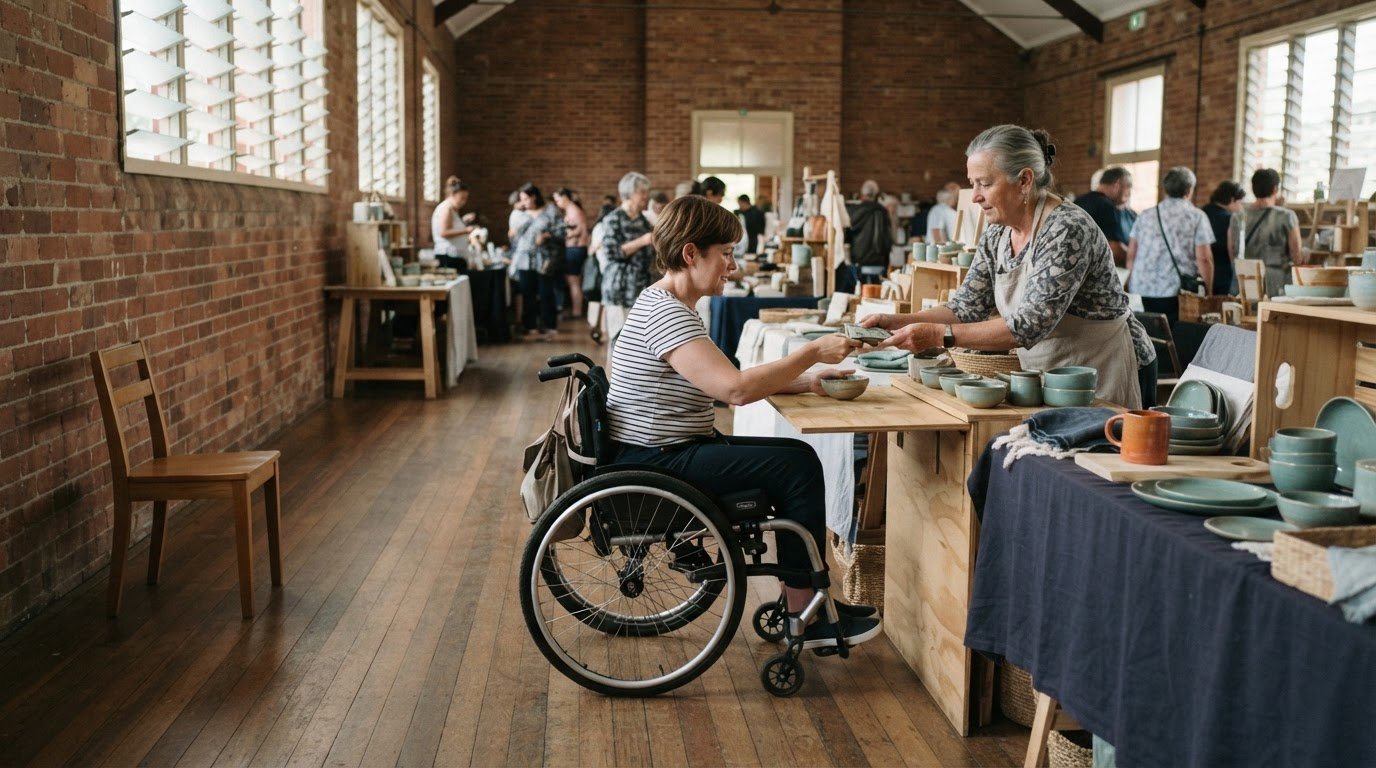
Offer several ways to take part, such as joining an activity, watching nearby or choosing a quieter option. Keep routes and activity spaces clear, use brief instructions and self-guided prompts, and have a volunteer available to help visitors get started.

Comments