

Experiential Brand Activation Ideas in Sydney: Turn Live Moments into Social Content
What makes people stop, join in and remember a brand activation? Often, it’s not a photo wall but an experience with a clear reason to participate. A striking setup can attract attention, but it needs to connect with the brand and audience to leave a lasting impression. When event logistics take over, social content can easily become an afterthought.
This guide to experiential brand activation ideas Sydney teams can put into practice explains how to choose a concept that suits your audience, brand and setting, then plan how to capture and publish content before, during and after the event. The aim is to make the live experience and its social story work together, rather than treating content as a last-minute extra.
We’ll look at activation formats that invite meaningful participation, practical ways to build content capture into the event plan, and measures that go beyond likes or views. From concept and creative design to on-site delivery, each detail can support a coherent experience. AMA Event Management plans and delivers themed brand activations, bringing creative design and event logistics together for projects in Sydney and Melbourne.
Table of Contents
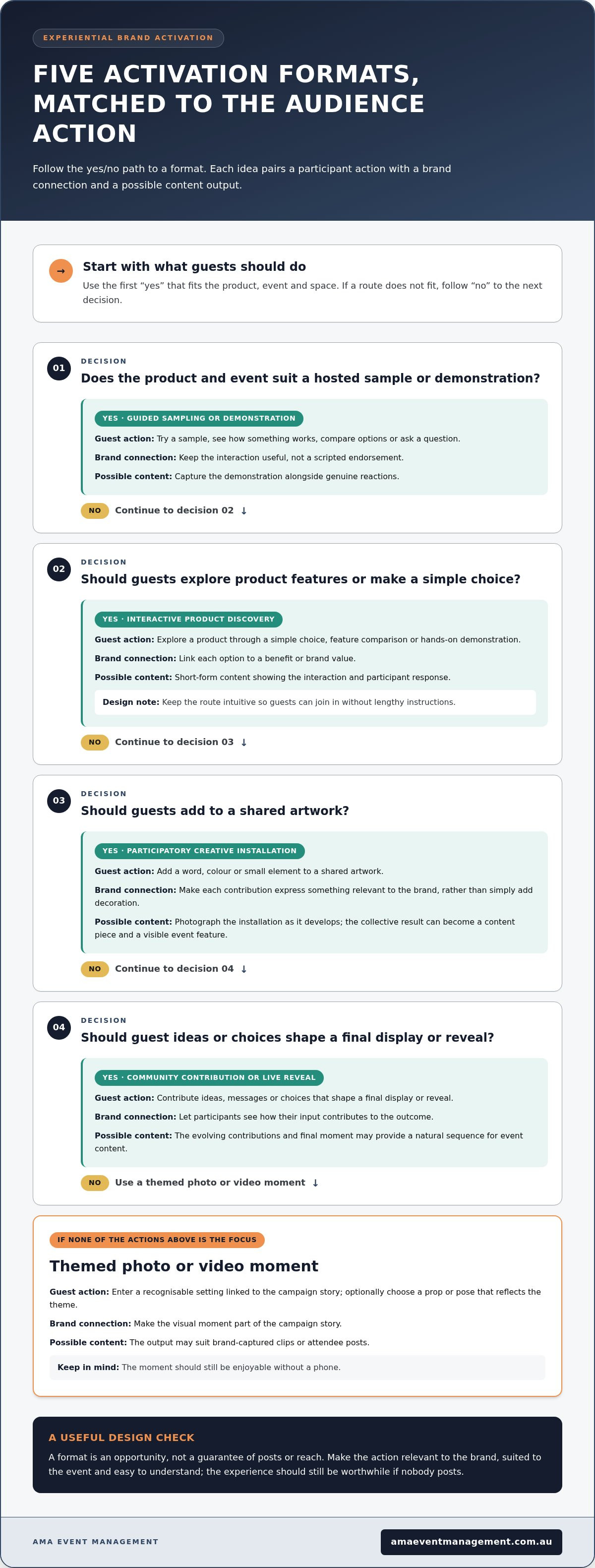
What Makes an Experiential Brand Activation in Sydney Worth Sharing?
A live activation earns attention when people do more than pass a branded display. Give them a relevant role: trying, choosing, making or responding to something connected to the brand. The activity should make sense in its setting, whether that’s a busy public space, a corporate event or a community gathering.
An experiential activation is a live brand interaction that invites audience participation, expresses a clear brand story and is planned to create meaningful content before, during and after the experience. This reflects the broader principles of experiential marketing, where people engage with a brand directly rather than only encountering a message.
How does an activation become social content?
Content often starts with a simple audience action. A guest tests a product, adds to a shared artwork or makes a choice that changes what happens next. That action gives a camera operator a clear moment to capture, while an attendee can decide whether to photograph or share it themselves. The experience should still be worthwhile if nobody posts.
Use visual cues and concise prompts to make participation easy to understand. A recognisable colour, prop or short instruction can connect the activity to the brand story without turning the space into an advertisement. Plan brand-captured footage separately from attendee-created content: one can provide consistent campaign assets, while the other reflects what participants choose to share.
Which Sydney settings can shape the activation idea?
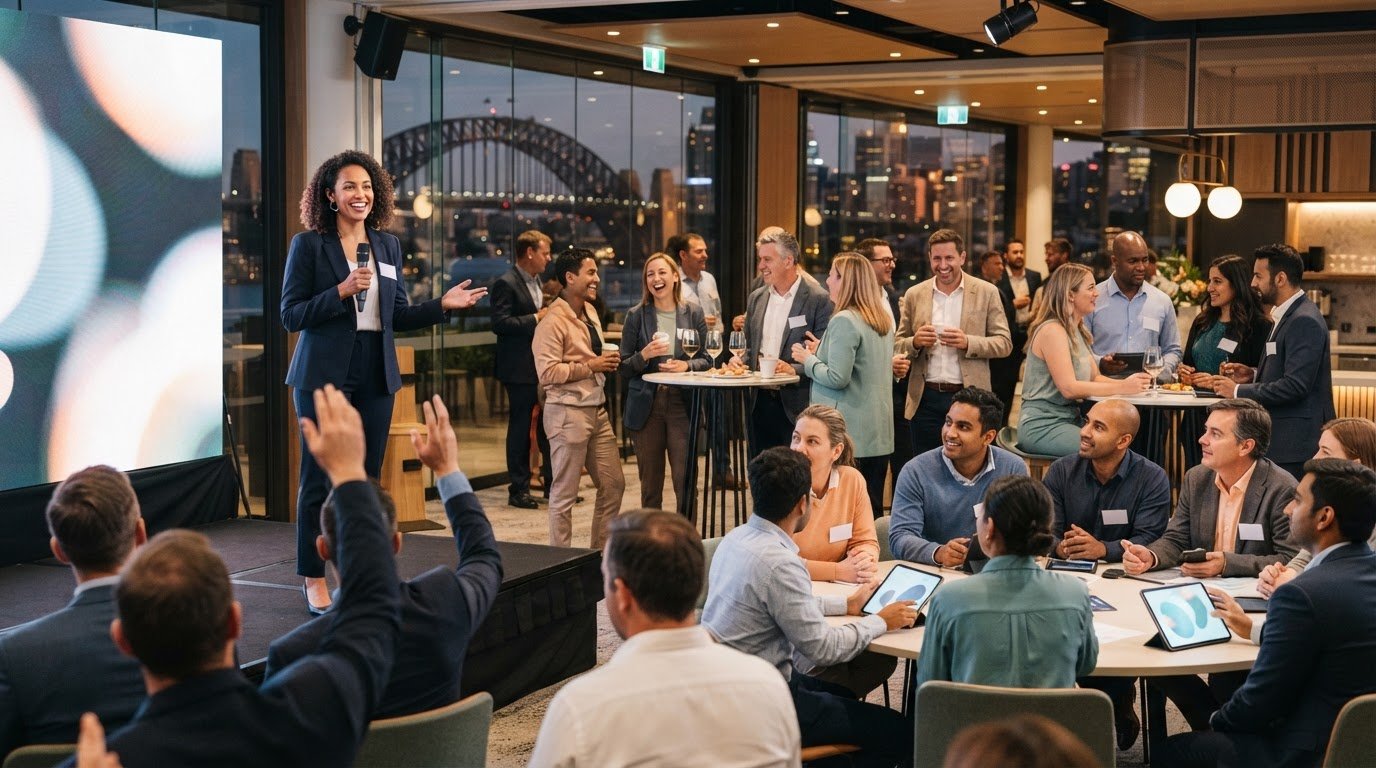
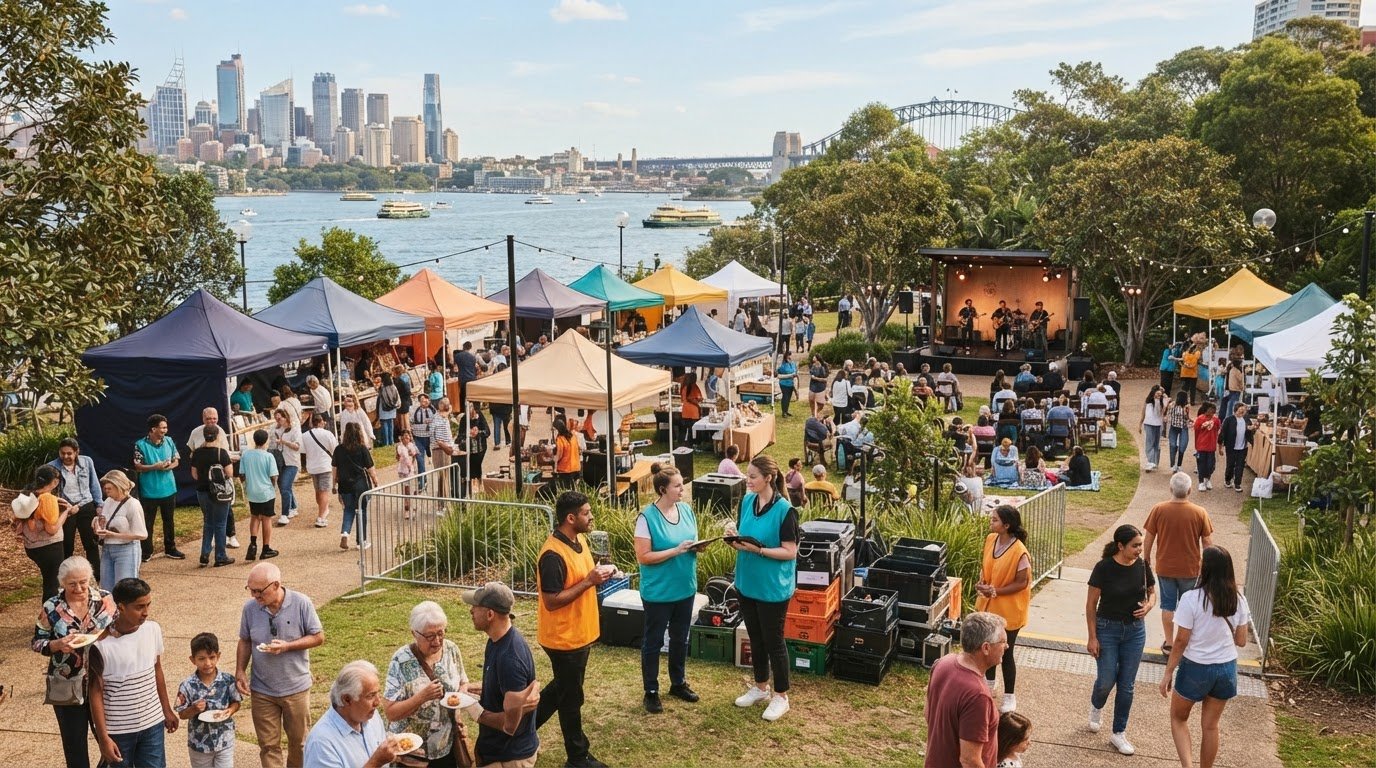
A public-facing pop-up needs to make its purpose clear to passers-by and let people approach without obstructing movement. At a corporate event, guests may have more time to explore, so a deeper interaction may suit the programme. Community settings often call for an accessible activity that welcomes different ages and levels of involvement. Treat these as starting points, not fixed rules.
Assess audience flow, access and usable space before settling on a concept. A large installation may not suit a tight footprint, while a brief, repeatable interaction may work better in a high-throughput area. Consider where people enter, pause and leave, and where staff can capture content without disrupting participation. These checks help turn experiential brand activation ideas Sydney teams are considering into experiences suited to their site. For a wider look at connecting a theme with an immersive brand story, explore this guide to themed brand activation in Sydney.
A decorative photo opportunity can look polished yet leave people with little reason to do more than take a picture. Give the moment a brand-relevant purpose: invite guests to make a choice, contribute an idea or try something distinctive. Then plan how to capture that action, including the participant and the story behind their involvement. This creates a stronger connection between the live experience and the content it may inspire.
Five Experiential Brand Activation Ideas That Give Sydney Audiences a Role
A strong concept gives people a clear action and gives that action a reason to matter. Choose a format that suits the brand, event and space, then decide what content the interaction could create. These experiential brand activation ideas Sydney teams can adapt are opportunities, not guarantees of posts or reach. Their value depends on how well the experience is designed and delivered.
Each idea below pairs an audience action with a brand connection and a possible content output. This focus on the participant’s experience aligns with academic research on experiential marketing, including consumer and brand experience.
Interactive product discovery. Invite guests to explore a product through a simple choice, feature comparison or hands-on demonstration. Connect each option to a benefit or brand value, then capture the interaction and participant response as short-form content. Keep the route intuitive so guests can join in without lengthy instructions.
A themed photo or video moment. Create a recognisable setting linked to the campaign story, with an optional prompt such as choosing a prop or striking a pose that reflects the theme. The visual output may suit brand-captured clips or attendee posts, but the moment should still be enjoyable without a phone.
A participatory creative installation. Ask guests to add a word, colour or small element to a shared artwork. The contribution should express something relevant to the brand, rather than simply add decoration. Photograph the installation as it develops so the collective result can become a content piece as well as a visible event feature.
A guided sampling or demonstration. Where the product and event suit it, let a host introduce a sample or demonstrate how something works. Give participants a focused action, such as comparing options or asking a question, and capture the demonstration alongside genuine reactions. Keep the interaction useful, not a scripted endorsement.
A community contribution or live reveal. Invite attendees to contribute ideas, messages or choices that shape a final display or reveal. Participation means more when people can see how their input contributes to the outcome. The evolving contributions and final moment may provide a natural sequence for event content.
Interactive formats that invite participation
For challenges or creative contributions, keep instructions visible and brief: explain what to do, where to begin and what participants will see afterwards. A clear, tangible outcome helps people understand why they might join in. Make the brand connection just as clear, whether the activity demonstrates a product benefit or brings a stated brand value to life.
Social-first moments that still work in person
Use one consistent visual cue, such as a campaign colour or distinctive set piece, and make any filming or sharing prompt optional. A good photo moment offers a satisfying experience even when nobody posts. For public and community formats, consider how the idea fits the wider programme and audience flow, as outlined in this community festival organisers guide.
Turning a promising idea into a workable activation means coordinating the concept with sourcing, installation and event logistics. Explore AMA Event Management’s themed activation planning to see how these practical elements can come together.
How to Choose Between Activation Ideas, Content Formats and Measures
A shareable concept still needs to serve the brand and work in its setting. Before choosing between experiential brand activation ideas Sydney teams are considering, define the intended outcome. Is the priority product understanding, voluntary audience participation, usable campaign assets or follow-up interest? The answer helps narrow the format and connect content planning with practical delivery.
Use this comparison as a starting point. Operational complexity depends on the site, staffing, setup and how the interaction runs, so assess it in the context of your event.
Which content approach suits the event objective?
Attendee-created content suits an experience where voluntary sharing is part of the intended interaction. Make participation worthwhile on its own, provide an optional prompt and avoid making a post feel like the price of entry. Brand-captured content is useful when the team needs consistent visuals or a planned story, with a clear capture brief and designated moments. A combined approach includes both: attendees engage in their own way while the team captures selected parts of the experience. Explain how filming works and respect people who choose not to be recorded.
What should the team measure?
Choose indicators before the event and connect each to an objective. Keep three types of outcome distinct:
Participation: track interactions relevant to the concept, such as completed demonstrations or contributions.
Content outputs: record usable assets captured by the team and voluntary attendee posts, where these can be identified.
Follow-up engagement: review meaningful responses after the event, such as enquiries or further interaction with campaign content.
Views can show exposure, but they don’t establish whether people took part, understood the brand connection or acted afterwards. Set project-specific targets that reflect the audience, platform and event objective. Clear plans for budgets, vendors and on-site supervision help keep the creative idea workable, the capture unobtrusive and the measures aligned with the activation’s purpose.
How to Plan Social Content Around a Sydney Brand Activation
Social content works best when it’s part of the activation plan, not an extra task added once the site is busy. Connect the audience experience with a practical capture plan, clear responsibilities and a review process. These steps help carry an idea from the first brief through event-day delivery and post-event learning.
Content capture belongs in the activation run sheet because the right moment depends on people, timing and event logistics coming together.
Before the event: brief, concept and capture plan
Start by defining who the activation is for, what you want them to do, which brand message should come through and how you intend to use the content. Those decisions shape the concept and help the team prioritise what to capture, instead of trying to document everything.
Set the objective and audience action. Choose an outcome, such as product understanding or meaningful participation, and describe the action that would support it. Check that the interaction fits the audience and event setting.
Design the concept around the content journey. Map the experience from arrival to participation and exit. Identify natural moments for photography or video, while keeping the activity valuable for attendees who don’t want to be recorded or post online.
Prepare a concise capture brief. List priority shots, such as the activation in context, a clear view of its branded details, the activity in progress and its completed outcome. Note the intended format and channel for each asset, plus when and where capture should happen.
Assign roles and approvals. Name who will capture content, who will coordinate event delivery and who can review material before publication. Agree how participants will be informed about filming and photography, how permission will be handled, and how the team will respond if someone doesn’t want to appear.
Build in a site contingency. Consider how weather, access restrictions or a change in audience flow could affect the set-up and shot list. Identify a practical alternative position or capture sequence, and make sure changes won’t obstruct movement or interrupt the event.
During and after the activation: capture, organise and learn
On the day, use the run sheet to coordinate capture with installation, vendors and event supervision. A designated content lead can follow the agreed priorities while the event team manages guest flow and delivery. Keep camera positions and timing unobtrusive, and adjust if site conditions change. For teams planning experiential brand activation ideas Sydney audiences can engage with, this coordination helps protect the live experience while capturing its strongest moments.
Capture and check. Follow the shot list, record key moments as they happen and check that priority assets are usable before the activation closes. Keep participation guidance visible and respect people’s choices about being filmed.
Organise and review. Sort selected assets by moment, format and intended channel. Compare event results with the agreed measures, note what supported participation and content capture, and record practical improvements for the next activation.
AMA Event Management connects themed activation design with sourcing, installation, logistics and on-site supervision. Plan your Sydney brand activation with AMA Event Management to bring the creative and practical elements together.
Deliver an Experiential Brand Activation in Sydney with AMA Event Management
A considered activation brings creative intent and event delivery together. The concept needs to express the brand, invite the audience to participate and fit the practical conditions of its setting. AMA Event Management plans themed activations, connecting creative design with sourcing, installation and event logistics so the content plan supports the attendee experience rather than competing with it.
Coordination matters at each stage. The activation design informs what needs to be sourced and installed; vendor procurement and timing help align the moving parts; budget management keeps decisions connected to the project’s scope. On the day, event supervision supports a consistent experience for attendees and the brand team, including the planned moments for content capture.
What does coordinated activation delivery involve?
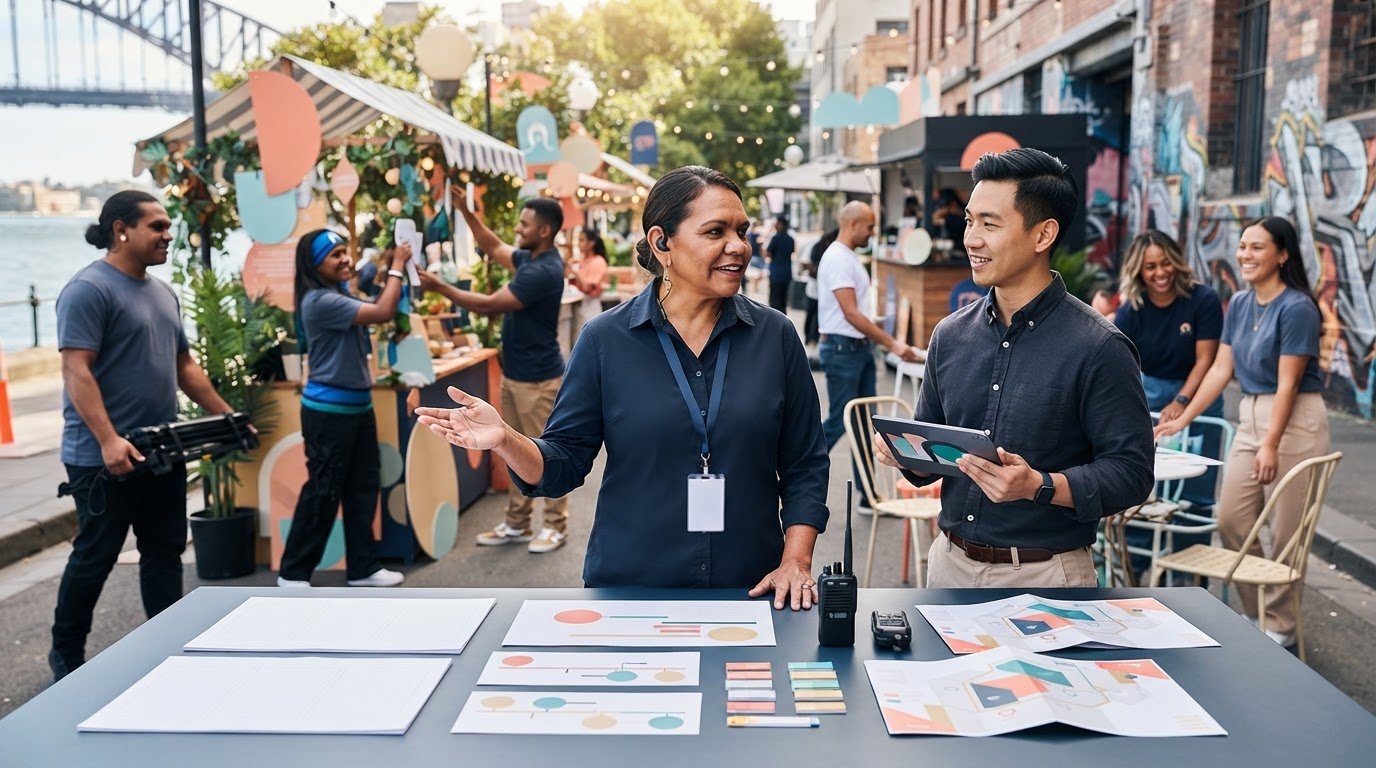
Creative development sets the direction, while practical planning turns it into a workable site experience. Consider how the audience will enter, participate and move through the activation, as well as where capture can happen without interrupting the activity. Vendor coordination and an agreed schedule help installations and other event elements come together in sequence.
On-site oversight connects the plan with the reality of the event. If timing or audience flow shifts, the team can manage event elements in context and keep attention on the experience as a whole. Founded by Amanda, AMA Event Management brings over 20 years of industry experience to activation planning and delivery. That experience informs the creative and operational details behind experiential brand activation ideas Sydney audiences can engage with.
What to prepare before discussing an activation brief
You don’t need every detail finalised to begin a useful conversation. A clear starting brief helps shape the concept around the audience, intended outcome and event conditions. Share what you know, then develop the practical plan from there.
Audience and objective: Describe who you want to engage and what you’d like them to experience, understand or do.
Location and timing: Outline the proposed Sydney or Melbourne setting and preferred event timing, including known space or access considerations.
Brand guidance: Provide relevant brand direction, such as key messages, visual guidance and elements the activation should reflect.
Content outcomes: Explain what you want the event to support, whether that’s planned brand assets, voluntary audience content or a combination.
With these foundations, AMA can connect the creative concept with sourcing, installation, budget management, vendor procurement and on-site supervision. The result is a coordinated basis for planning the live experience and its content opportunities, without assuming one format or outcome suits every brief.
If you’re shaping an activation, discuss your activation project with AMA and share the audience, setting and outcomes you have in mind.
Shape Your Next Sydney Activation Brief
Turn your preferred direction into a brief your team can act on. Start with one sentence about what you want an attendee to experience, then note the brand idea you want them to remember and the role social content should play afterwards. This gives creative and delivery discussions a shared point of reference, even while details are still taking shape.
Use that brief to identify what matters most for the activation to work in its Sydney setting: what participants can do, what the event team needs to coordinate and what evidence will help you assess the outcome. Keep the first version focused. A clear priority creates room for a distinctive concept without allowing production details to overshadow the experience. It also gives your team a practical basis for refining experiential brand activation ideas Sydney audiences can engage with.
To develop your thinking into a considered project brief, discuss your Sydney brand activation with AMA Event Management. Bring the audience, setting and intended outcomes you have in mind to start planning an experience with purpose.
Frequently Asked Questions
What makes an experiential brand activation different from a standard event?
An experiential brand activation makes interaction with a brand an intentional part of the experience, while a standard event may have another main purpose. For example, a conference can bring people together to hear presentations, while a sponsor activation might invite delegates to try a product or explore a brand idea. The distinction lies in the planned role of the brand, not simply the event format or how elaborate the set-up looks.
How can a brand activation create social media content?
Build moments into the activity that are easy to understand and interesting to capture, such as a participant making a choice and seeing its result. Plan a simple sequence of brand-owned content, from an establishing view of the activation to a close-up of the interaction and its outcome. This gives the team material to organise later, even if attendees prefer to experience the activity without taking photos or posting.
What are some experiential brand activation ideas for Sydney events?
Useful experiential brand activation ideas Sydney organisers might consider include a product demonstration that responds to guest questions, a creative activity shaped by attendee choices or a themed interaction linked to the event programme. Match the idea to the venue and audience: a compact demonstration may suit a confined indoor space, while an open community event could support a contribution activity. Check audience flow and practical set-up needs before committing to the format.
How do you encourage attendees to share activation content without making it feel forced?
Make sharing an invitation, not a condition of taking part. For example, offer an optional prompt beside a completed creative display, while keeping the activity rewarding for people who don’t use social media. Give guests space to take their own photos and make any brand capture clear. A separate team-shot approach means the activation can still support planned content if attendees choose not to post.
How should a business measure a social media brand activation?
Measure the outcome the activation was designed to support, rather than relying on a single platform figure. For a demonstration, the team might record completed interactions and questions that indicate interest; for a content objective, it could catalogue usable assets and review responses to them. Decide in advance how each measure will be recorded and reviewed. Targets should reflect the project, audience and platform, not an assumed industry benchmark.
When should social content planning begin for a brand activation?
Begin while the concept is taking shape, before production decisions are locked in. If a planned story needs a particular display, activity or sequence, the design and event schedule can account for it from the outset. For a Sydney or Melbourne event, also consider how the proposed site and expected audience movement affect capture positions. Confirm who prepares, reviews and organises content so those responsibilities don’t compete with event-day delivery.
Can user-generated content be reused after a Sydney activation?
Possibly, but don’t assume that content shared publicly is automatically available for a brand to republish. Set out a clear permission process for any attendee content the team hopes to reuse, including where it may appear and how to identify approved assets. Keep permission records with the relevant files, and use a different asset if permission hasn’t been obtained. This gives the team a reliable basis for organising post-event content.
Comments