

Creative Product Launch Ideas in Melbourne: 5 Experiences That Put Your Product First
The most memorable launch isn’t always the one with the biggest spectacle. If guests remember the event but not what the product does, the experience has missed its purpose. For brands comparing creative product launch ideas Melbourne can support, let the product story guide the concept from the first invitation to the final interaction.
A standard presentation and drinks can feel too familiar, but adding activities for their own sake can blur the message. The right format gives guests a clear reason to engage with the product, suits the audience and works within the practicalities of a Melbourne setting.
This guide compares five launch experiences and explains how to match each one to your product and audience. You’ll find ways to make participation purposeful, assess more than attendance and plan creative and operational responsibilities. From concept development to supplier coordination and on-site delivery, a well-managed launch connects the idea to the live experience without letting the event overshadow what you’re introducing.
Table of Contents
Creative product launch ideas in Melbourne start with the product story
Five creative product launch ideas Melbourne teams can shape around a product
Choose a Melbourne launch format that makes the product memorable
Plan a creative product launch in Melbourne from concept to event day
Turn the right Melbourne launch idea into a well-managed event
Creative product launch ideas in Melbourne start with the product story
A creative product launch is an experience built around a specific product message, not simply a presentation in an unusual setting. Its purpose is to help guests notice a defining feature, understand a benefit or try the product in a relevant way. The concept should make the product easier to understand, rather than asking guests to decode an elaborate theme.
A product-first launch turns the product’s most important message into an experience guests can see, understand or try. Use that principle to assess creative product launch ideas Melbourne brands are considering: can you explain how each major event element supports the product story?
The idea is only the starting point. Execution shapes how guests encounter it. Interaction might involve handling a product or taking part in a guided demonstration. Staging can direct attention to a feature, while event content gives guests a clear explanation to take away. Operations connect these elements through a workable schedule, suitable suppliers and a well-managed arrival flow. This coordination is part of event management, which brings planning and delivery together around the purpose of an event.
What should a product launch experience achieve?
Choose one primary objective before developing the creative treatment. You might want guests to understand how a product works, try it for themselves or see how it relates to their organisation. Then define the audience and what you want them to know or do afterwards. A product demonstration for potential users, for example, needs time and space for questions. A stakeholder event may need a clear presentation of the product’s role and value.
Use that objective to assess each creative element. If a feature is difficult to explain, a demonstration may make it visible. If the product’s value depends on how it feels or works, a guided trial may be more useful than decorative staging. Remove elements that look impressive but don’t reinforce the message or serve the audience.
How Melbourne changes the creative brief
Melbourne’s setting is part of the plan, not the whole concept. Consider how guests will travel to the venue, whether the location suits the audience and how people will move from arrival to the main experience. Check accessibility and make sure the layout supports a clear, comfortable guest journey.
Indoor and outdoor settings bring different requirements. An outdoor concept may offer room for demonstrations or movement, but it needs a suitable weather contingency and a practical alternative if conditions change. An indoor venue offers more shelter, though access, layout and production capabilities still need checking. Local character can add context through the setting or event details, but it can’t replace a clear product story. Start with the message, then choose the Melbourne environment that helps bring it to life. The same product-first approach applies to launches in Sydney, where the venue and audience will shape the plan.
Five creative product launch ideas Melbourne teams can shape around a product
The best format depends on what guests need to learn or do. Some concepts invite close inspection; others frame the product story or connect in-person guests with remote stakeholders. A demonstration lab encourages focused product contact, a showcase centres on a shared reveal, and a hybrid launch extends the experience beyond the room.
1. Demonstration lab
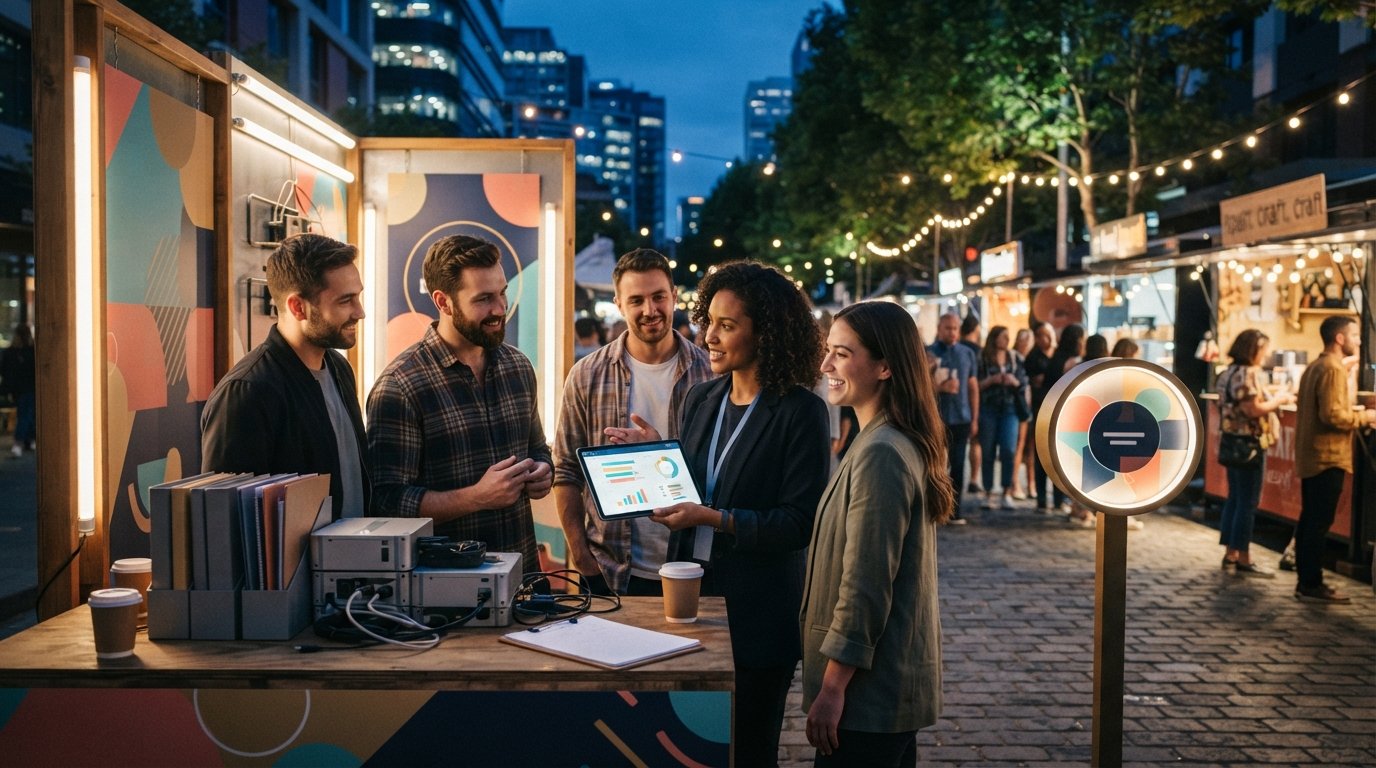
Set up stations around questions guests may have: How does the product work? What problem does it address? What makes a feature useful? A product specialist can demonstrate each answer, with supporting displays kept clear and concise. This format suits products with features that are easier to understand when seen in action. Assign staff to guide demonstrations and manage queues so guests can take part without crowding a station.
2. Interactive product journey
Lead guests through a deliberate sequence, with each stage revealing a different feature, use or benefit. A journey works well when the product story has several connected steps. Keep the route intuitive, provide alternatives for guests with different access needs and make the link between each interaction and the product message clear. The experience should feel like discovery, not a puzzle guests have to solve.
3. Guided hands-on trial
Give guests time to try the product, with a knowledgeable host nearby to explain its use and answer questions. This can suit products where handling, operating or experiencing them helps clarify their value. Plan how guests will take turns, what staff need to explain and how the product will be reset between trials. Clear instructions help people participate with confidence.
4. Story-led showcase with an expert or creator
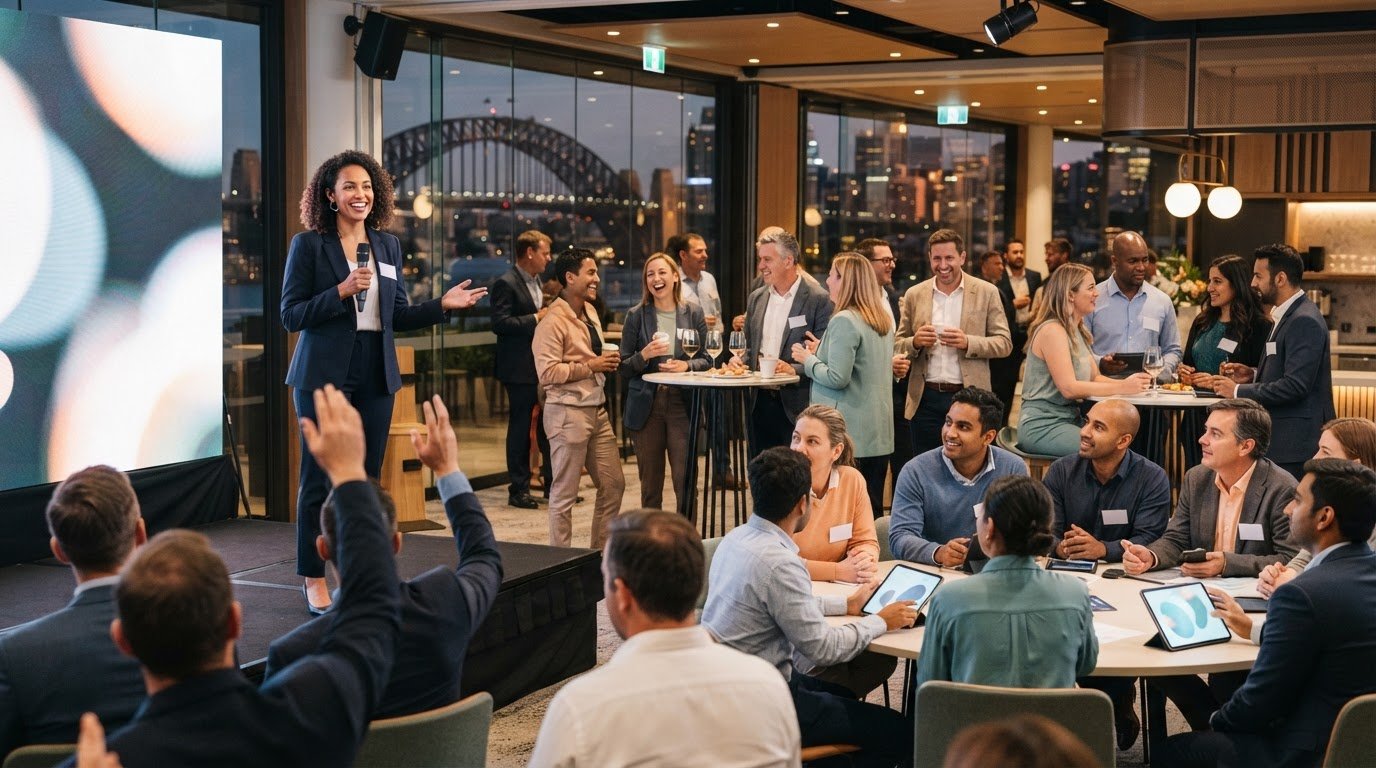
Use a concise reveal or founder presentation to establish the product’s purpose, then invite an expert or creator to discuss a relevant feature or use. This option suits audiences who need context before engaging with the product. Choose contributors for their genuine relevance to the audience and message, not simply their profile. Keep the product central throughout the conversation.
5. Hybrid launch
Broadcast a product reveal or demonstration for remote stakeholders who can’t attend in person. This format can suit audiences spread across locations, but it needs a plan for both groups: clear camera sightlines, a good online viewing experience and a way for remote guests to ask questions. A recording can also provide useful follow-up content, provided the production plan captures the product clearly.
To turn a strong concept into a coordinated live experience, themed brand activation support can connect creative design, suppliers, logistics and on-site oversight.
Choose a Melbourne launch format that makes the product memorable
Choose a format by weighing three things: the launch objective, the level of audience participation required and the production effort you can support. A hands-on trial may suit a product guests need to use, while a concise reveal may be more appropriate when the announcement or design is central. Hybrid elements can include remote stakeholders, but they add technical and content coordination.
Creative product launch ideas Melbourne teams compare should make the product easier to understand, not ask it to compete with the event. Use this table to shortlist a format, then check whether each creative choice strengthens the message.
Match the idea to the product and audience
Start with the audience’s information needs. Choose demonstrations when guests need to see how a product works, a story-led reveal when positioning or a launch announcement leads, and hybrid participation when remote stakeholders need more than a recording. A format is a good fit when guests can engage in a way that supports the launch objective.
Keep the experience engaging without obscuring the message
Creativity should clarify the product, not compete with it. Limit competing themes, staged moments and visual messages. Align signage and presenter scripts around the same proposition so guests receive a consistent explanation wherever they encounter it.
Set measures before the event, based on what you want to learn. Product understanding might be assessed through a short feedback question; a trial objective could be tracked through completed demonstrations. Attendance shows who came, but it won’t establish understanding or interest on its own. For help connecting concept choices with delivery requirements, discuss your launch concept and event delivery.
Plan a creative product launch in Melbourne from concept to event day
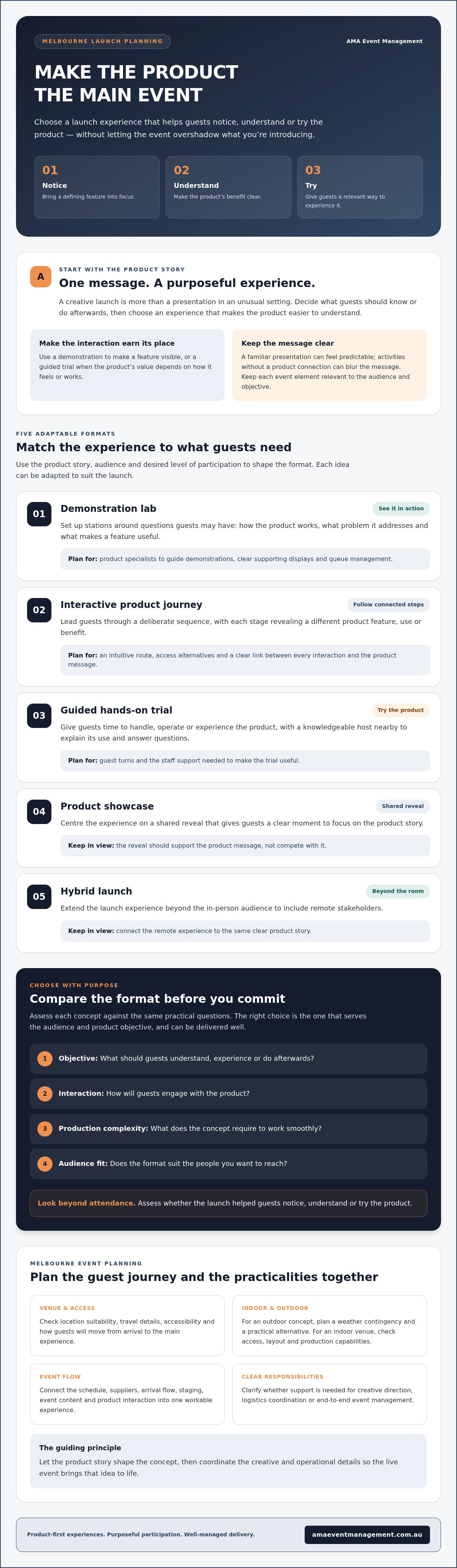
A strong concept needs a delivery plan that keeps the product story, guest experience and operational details aligned. For creative product launch ideas Melbourne teams are developing, work through the plan in sequence: set the objective, confirm the audience and key messages, then translate the concept into practical requirements. Record the preferred date, essential equipment, access needs and any non-negotiable approvals in one launch brief.
Build the launch brief and delivery plan
Use the brief to guide venue selection. Check that the space suits the format, guest numbers and product activity, with enough room for demonstrations, staging and movement between areas. Consider how attendees will arrive, whether public transport and parking options suit the audience, and whether the entrance and event layout support accessible participation. For an outdoor concept, plan an indoor alternative or another workable response to poor weather.
Next, turn the idea into a delivery schedule and budget. List requirements for staging, technical production, content and suppliers, then confirm who owns each decision. Set approval points for creative materials and technical plans so late changes don’t catch suppliers off guard. Track supplier costs and commitments against the agreed budget, so decision-makers can understand the implications before approving changes.
Coordinate suppliers and prepare for event day
Confirm each supplier’s scope, access arrangements, delivery and pack-down timing, and the person they should contact on the day. A shared run sheet should connect presentations, demonstrations, guest movement and technical cues in a clear order. Include responsible people and timings, not just activity names. Assign someone to oversee on-site coordination so suppliers and internal teams can work from the same plan.
Prepare contingencies for details that could disrupt delivery. For example, identify an indoor alternative for weather-sensitive activities, a backup for essential presentation technology and a revised sequence if a speaker or demonstration runs late. Agree how the team will communicate supplier changes and who can make time-sensitive decisions. Contingencies work best when responsibilities are clear before the event begins.
After the launch, review the results against the objective set in the brief. If the aim was product understanding, examine the feedback collected; if it was trial, review participation records. Compare actual attendance with registrations where relevant, and note operational issues alongside audience responses. This gives the team useful evidence to guide follow-up and future planning without relying on unrelated benchmarks.
AMA Event Management can coordinate creative design, suppliers, budgets, logistics and on-site supervision. Discuss your product launch planning needs to explore the support required to take your concept through to event day.
Turn the right Melbourne launch idea into a well-managed event
A strong launch concept still needs clear ownership to become a coherent live experience. Before seeking support, identify where your team needs help. You may have the creative direction in place but need someone to coordinate suppliers and event-day logistics. Or you may need support from the brief onwards, connecting the product objective with the concept, budget, schedule and delivery plan.
Event management bridges those stages. It can align creative design with practical requirements, coordinate vendor scopes and timelines, monitor the agreed budget and oversee delivery on the day. This matters when a launch includes several moving parts, such as a product reveal, demonstrations, presentations and guest activities. The aim is not to add complexity, but to make each element work together and keep the product central.
AMA Event Management plans and delivers corporate events and themed activations, managing creative design, vendor procurement, budgets, logistics and on-site supervision. Founder Amanda brings more than 20 years of industry experience. No two briefs are identical, so clarify the scope you need rather than assuming every provider covers the same responsibilities.
What to look for in a launch event partner
Ask how the provider will translate your product objectives into a creative concept and guest journey. A useful discussion should connect the idea to what attendees will see, learn or do, then explain how that experience can be delivered. Establish who will coordinate vendors, the budget, schedule and approvals, and who will make event-day decisions. Request relevant examples where the provider can substantiate its role and any stated outcomes. If a Melbourne venue or supplier is proposed, confirm its suitability and availability directly.
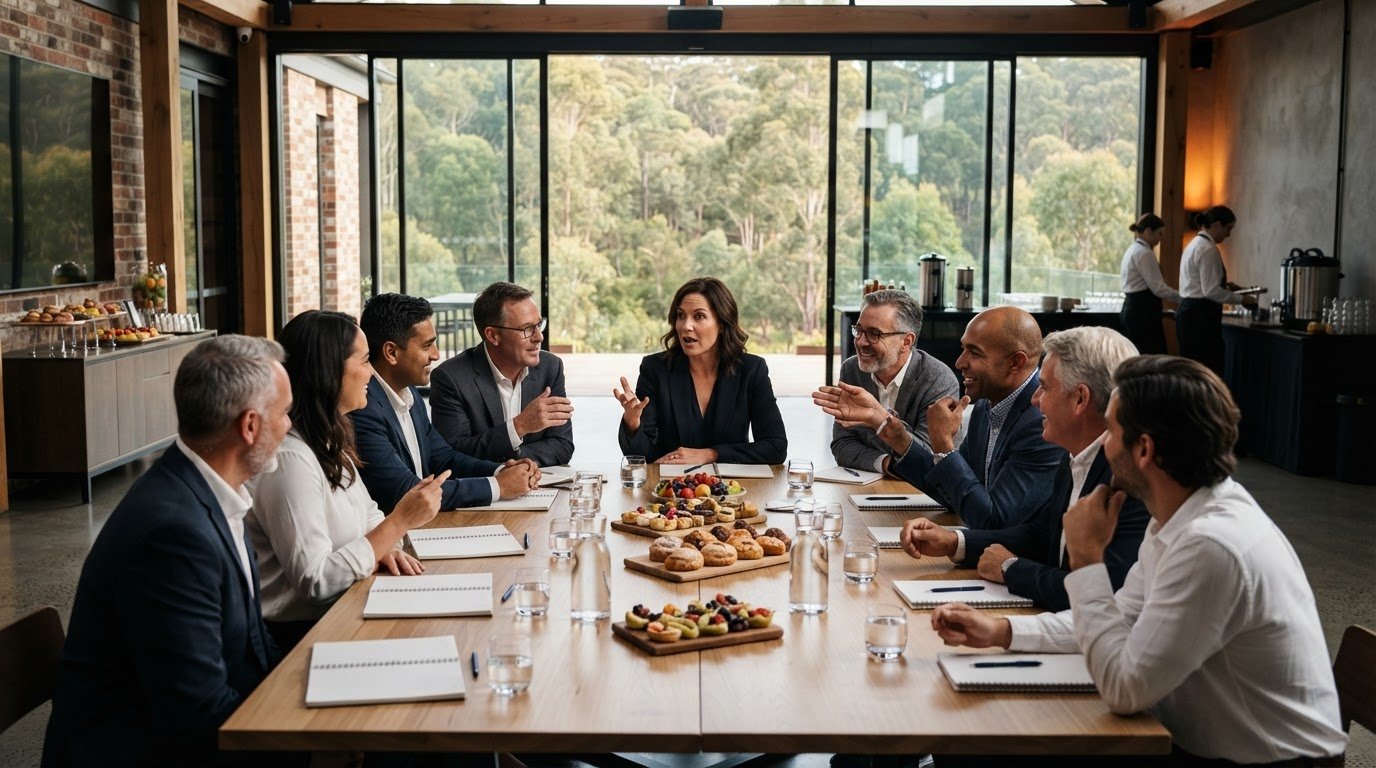
The right level of support depends on your internal capacity. If your team owns the concept and planning, targeted help with logistics may be enough. If responsibilities are spread across teams and suppliers, coordination can provide a clearer line of oversight. If the concept is still taking shape, creative and delivery support can help connect the product story to the operational plan.
Prepare for a productive first planning conversation
Bring the details that will help shape a realistic brief:
A clear product description, primary audience and launch objective.
Preferred timing, venue ideas and any access or accessibility requirements.
Key internal stakeholders, approval steps, budget parameters and known constraints.
These inputs help turn creative product launch ideas Melbourne brands are considering into a defined discussion about concept, responsibilities and delivery requirements. To discuss your brief and the support your launch may need, Discuss your Melbourne product launch with AMA Event Management.
Make your product story the centre of the launch
The strongest launch format is the one that helps your audience understand, experience or remember the product. Choose a concept that matches your objective, then make sure each interaction, presentation and production decision supports that message. For creative product launch ideas Melbourne brands can shape to their needs, product-first thinking keeps an engaging event focused and purposeful.
Turning a promising idea into a smooth live experience takes clear coordination across creative design, suppliers, budgets, logistics and on-site delivery. AMA Event Management supports corporate events and themed activations, with founder Amanda bringing more than 20 years of industry experience.
If you’re ready to develop your brief, clarify responsibilities or plan delivery, discuss your Melbourne product launch with AMA Event Management. With the right concept and a considered plan, you can create an experience that gives the product the attention it deserves.
Frequently Asked Questions
Is a creative product launch event worth it?
A creative product launch can be worthwhile when its format helps the intended audience understand, experience or discuss the product. Start by defining the outcome you want, then select activities that support it. A visually striking event alone doesn’t show whether the launch achieved its purpose. Set relevant measures before planning, such as participation in demonstrations, questions asked or feedback that relates directly to your objectives.
What are some creative product launch ideas for Melbourne?
Options include interactive demonstrations, a guided product-discovery journey, a story-led reveal, an expert discussion or a hybrid launch. The right choice depends on your product, audience and message. For creative product launch ideas Melbourne brands are considering, account for guest travel, accessibility, supplier access and whether an indoor or outdoor setting suits the format. These considerations also matter for launches in Sydney, where the venue and audience shape the delivery plan.
How do I choose the right product launch format?
Compare each format against your primary objective, audience needs, product experience and delivery requirements. A demonstration may suit a product guests need to see in action, while a concise reveal can suit an announcement-led launch. Consider the venue, staffing, technical production and accessibility before committing. A simple comparison table can help your team assess the strengths and trade-offs of each concept using the same criteria.
Can a product launch be both creative and informative?
Yes. Give every interactive or visual element a clear role in explaining the product. A guided demonstration, for instance, can show a feature while a presenter explains why it matters to the audience. Keep the message consistent across signage, presentations and staff conversations. Avoid activities that compete for attention without helping guests understand or engage with the product. Creativity works best when it makes the information easier to absorb.
How far ahead should I plan a product launch in Melbourne?
There’s no single lead time that suits every launch. Timing depends on the concept, venue availability, supplier requirements, approvals and the number of stakeholders involved. Staging, demonstrations or hybrid production may require additional coordination. Set a target date, identify dependencies and work backwards through decision and approval milestones. Before announcing the date, confirm that the venue and essential suppliers can support the proposed schedule.
What should a product launch event brief include?
Include a product description, audience profile, launch objective, key messages, preferred timing and known constraints. Note venue preferences, accessibility needs, the guest interactions you want, and any technical or production requirements. Identify internal stakeholders and who has approval authority. A clear brief gives your team and event partners a shared reference for comparing concepts and identifying delivery needs before detailed planning begins.
Should I hire an event management company for a product launch?
Consider event management support when creative development, supplier coordination, budget oversight and event-day delivery need to work together. Ask how the provider will translate your product objectives into an experience and who will manage each responsibility. Confirm relevant experience and the scope of support directly. AMA Event Management plans corporate events and themed activations, coordinating creative design, suppliers, budgets, logistics and on-site supervision.
Comments