

Eco-friendly event management services in Melbourne
A polished event can still leave a heavy footprint if waste, transport and production are considered too late. Eco-friendly event management in Melbourne plans for these impacts across the event’s full lifecycle, from early decisions through to delivery.
Sustainability isn’t a single choice of venue or décor. It comes from coordinating practical decisions about suppliers, materials, energy, transport and waste while keeping the guest experience and event objectives in view.
This guide explains what sustainable event management involves and how Melbourne venues, local florists and event production can support a lower-waste event. You’ll find practical planning choices, ways to assess venues and the value of coordinating all the moving parts. The goal is to align sustainability priorities with an event that runs smoothly, not treat environmental considerations as an afterthought.
Table of Contents
What is Sustainable Event Management?
Sustainable event management considers an event’s full lifecycle, from initial planning through delivery. Costs vary with the event’s scale, venue, suppliers and resource choices; sustainable options may initially cost comparably to, or slightly more than, traditional ones.
Embedding Sustainable Practices
Embedding sustainability means building environmental, social and economic considerations into decisions, rather than treating them as final production details. The International Organization for Standardization published ISO 20121 in 2012 to guide event sustainability management systems. Planners can use its framework to assess impacts, assign responsibilities and align suppliers with clear objectives. This keeps sustainability connected to the event plan and delivery.
Sustainability Expertise and Experience
Meegan Jones’s sustainable event management work draws on lessons from hundreds of events over two decades. She authored the Live Earth Green Event Guidelines, wrote UNEP’s Singing to a Greener Tune, and co-authored Jam Packed with Julie’s Bicycle on festival travel impacts. Event management expertise helps translate broad goals into practical supplier and production decisions. Melbourne ranks among the global Top 40 cities for sustainability contributions.
Environmental Impacts and Resource Use
Energy, water and travel are practical areas for reducing an event’s environmental impact and emissions. Planners can specify energy-efficient technology, efficient water fixtures and sustainable suppliers, then ensure unused venue lights are switched off. Choosing green energy can further reduce reliance on higher-emissions power. The best measures depend on the venue’s infrastructure, production requirements and how attendees travel.
Low-Waste Planning Steps
Professional planners begin by identifying likely waste streams, then shape purchasing and production to avoid unnecessary materials. Digital communication, reusable or compostable items, sustainable signage and clearly labelled recycling stations can support that plan. Supplier coordination is essential: materials, delivery and disposal arrangements need to work together. Logistical complexity, budget constraints, resistance to change and limited awareness can all create challenges. Training, clear communication and strategic partnerships can help address them.
How professional event managers choose environmentally responsible venues
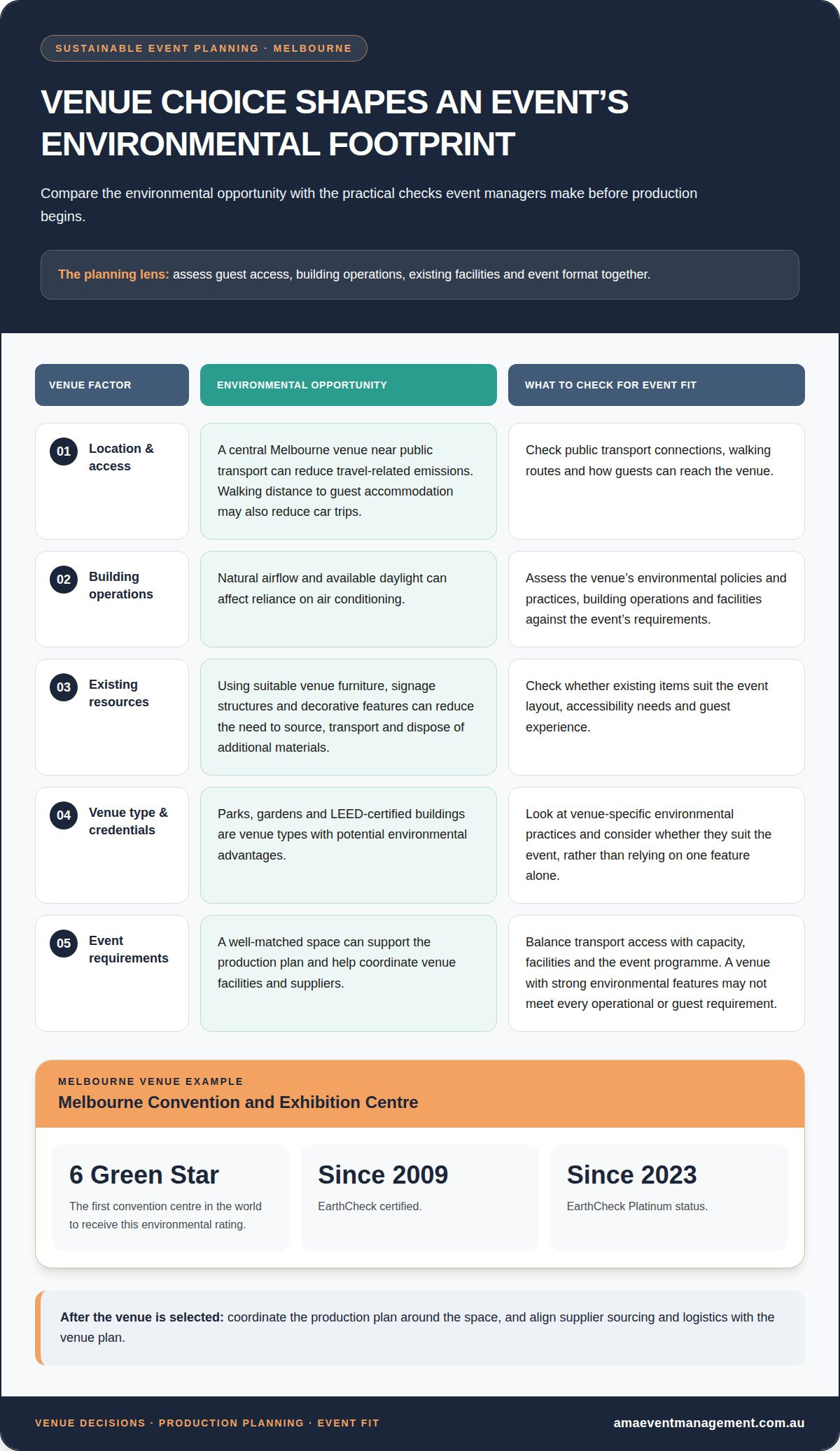
Venue selection shapes an event’s environmental footprint before production begins. Professional managers consider guest access, building operations, existing facilities and event format together. A central Melbourne venue near public transport can reduce travel-related emissions. A venue within walking distance of guest accommodation may also reduce car trips.
Melbourne Convention and Exhibition Centre offers a local example of environmental credentials. It was the first convention centre in the world to receive a 6 Green Star environmental rating. It has held EarthCheck certification since 2009 and Platinum status since 2023. These details illustrate how venue-specific practices can inform sustainable event management.
Access is only one consideration. Event managers assess whether a venue’s environmental policies and practices suit the event. They also consider public transport connections, walking routes, natural airflow and available daylight. These features can affect transport emissions and reliance on air conditioning. Parks, gardens and LEED-certified buildings are other venue types with potential environmental advantages.
Existing décor and infrastructure offer another opportunity. Managers can assess what the venue already provides, such as furniture, signage structures and decorative features, and incorporate suitable items into the event design. Reusing these resources can reduce the need to source, transport and dispose of additional materials. Choices still need to suit the event’s layout, accessibility and guest experience.
Venue decisions also involve trade-offs. A location with strong environmental features may not meet every operational or guest requirement. Managers balance transport access, capacity, facilities and the event programme, then coordinate the production plan around the selected space. For events involving multiple suppliers, vendor coordination for events can help align sourcing and logistics with the venue plan.
Event planning and production services
Event planning turns sustainability goals into production decisions that affect materials, suppliers and the attendee experience. For a corporate conference, the production schedule can coordinate digital invitations, online RSVPs, reusable serviceware and supplier deliveries. Together, these choices help reduce avoidable environmental impacts while keeping operations aligned. Practical decisions have more impact when they connect, rather than remain isolated gestures.
Production teams can create a materials plan before ordering signage, printed collateral or décor. Perpetual collateral, without dates that quickly make print unusable, can work well for events that reuse materials. Digital communication can replace many printed notices, while reusable items can reduce reliance on single-use products. The event format, access needs and operational requirements determine which options are suitable.
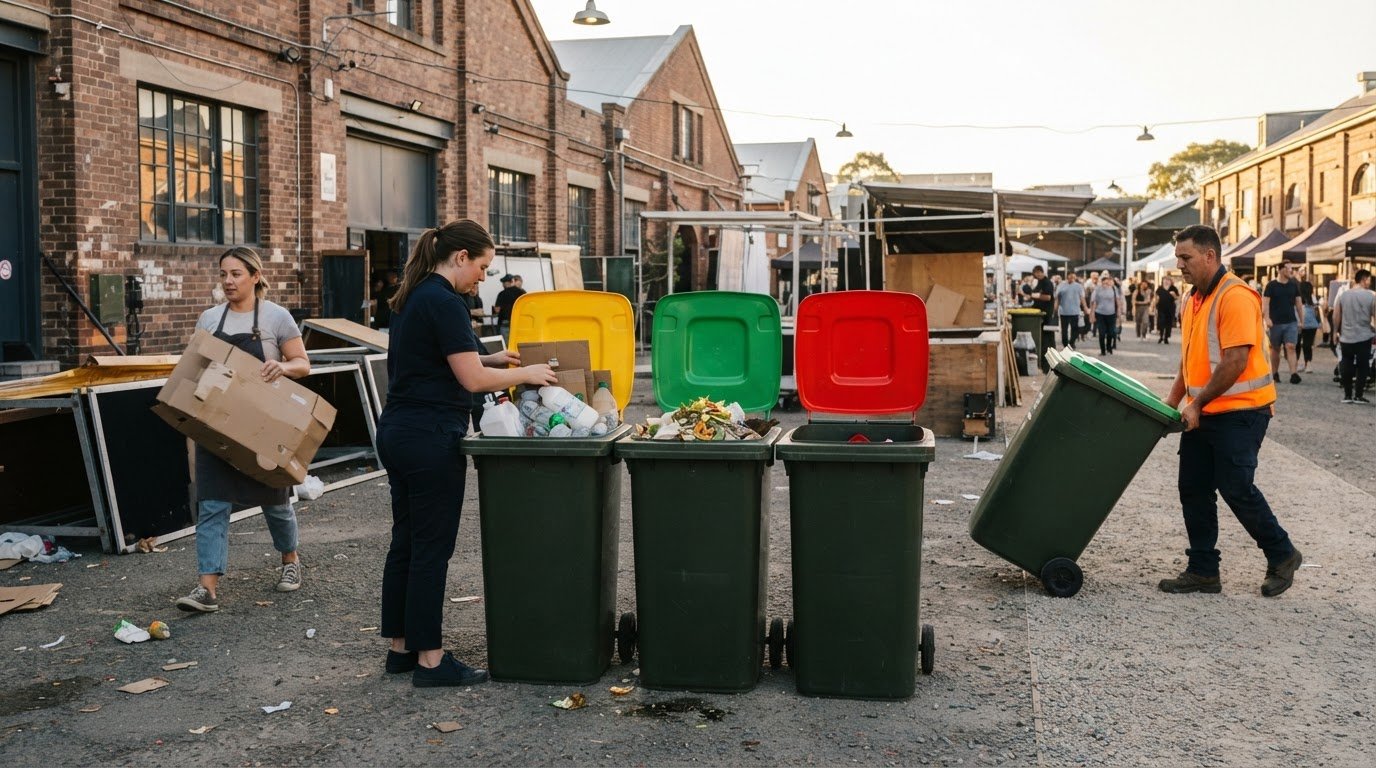
During delivery, managers coordinate suppliers and venue teams around the agreed plan. Serving tap water in jugs and glasses instead of bottled water, for example, reduces packaging at service points. Clearly marked waste stations help attendees sort materials, while production staff can keep recycling separate from general waste.
Good production planning also connects sourcing with logistics. Local suppliers can support the Australian economy and reduce the distance some goods travel. Coordinators can align delivery windows, setup requirements and collection arrangements so materials move efficiently through the venue. These decisions help manage an event’s environmental footprint without compromising the programme.
For a Melbourne corporate event, make sustainability part of the production brief. Specify the materials, communication methods, service arrangements and waste processes that suit the event. Then coordinate these choices across suppliers and venue operations. This gives the team a clear basis for delivering the plan, adapting details to event requirements and keeping environmental priorities visible on the day.
What does eco-friendly event management include in Melbourne?
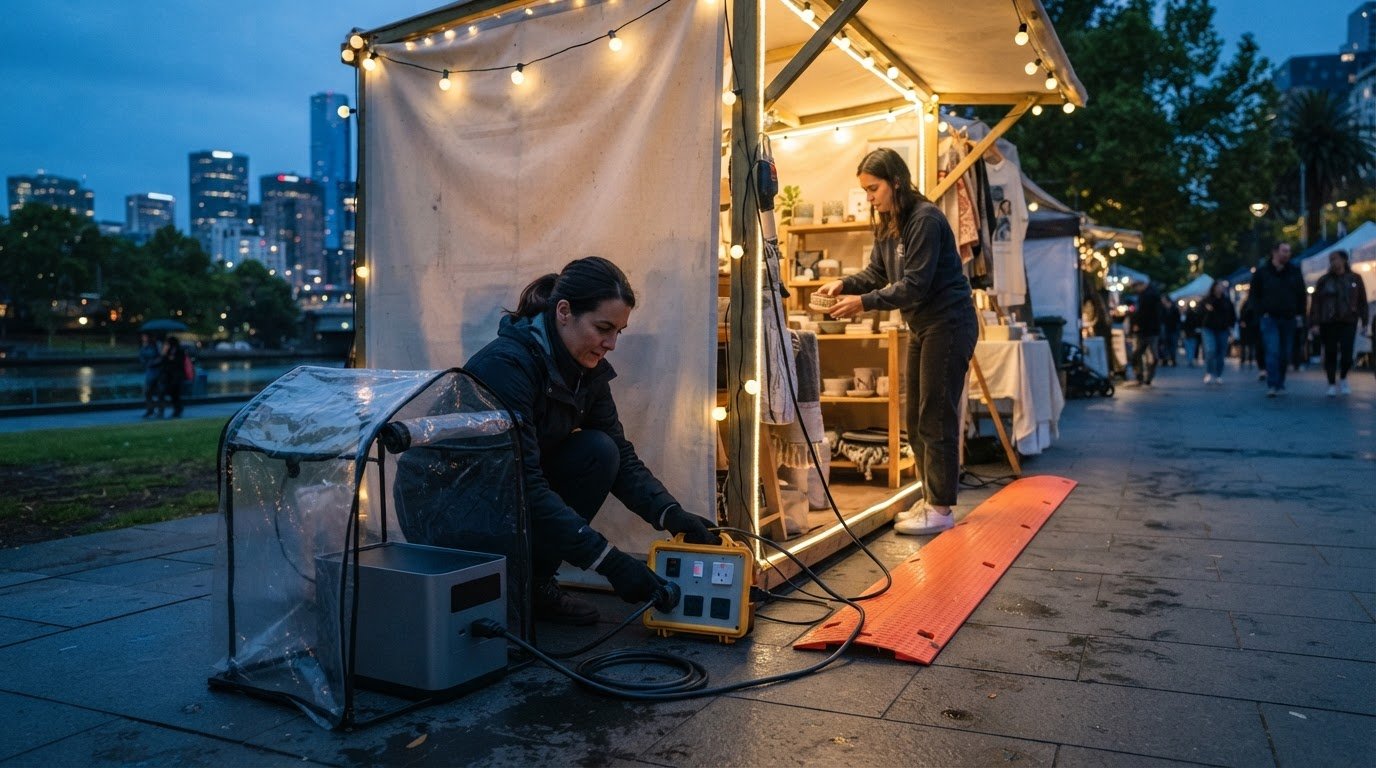
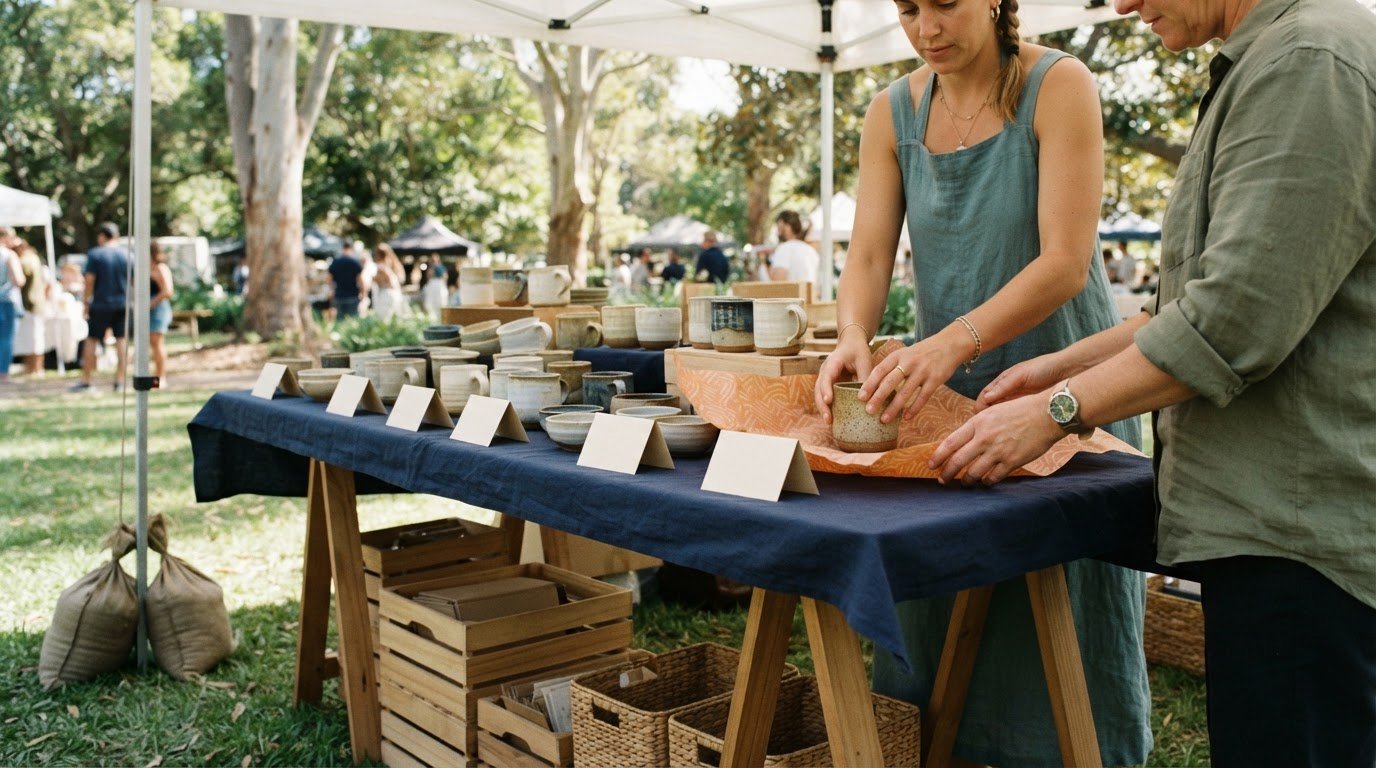
Eco-friendly event management in Melbourne brings transport, purchasing, production and waste planning together in one coordinated plan. Set priorities for each stage, then align suppliers and venue operations around them. For a market, that could mean coordinating vendor deliveries, shared equipment and waste handling as connected logistics. This gives sustainability a practical role in how the event runs.
Transport planning can include promoting public transport, carpooling, shuttle services or bicycle hire where suitable. Organisers can also reduce travel by using webinars or videoconferencing for sessions that don’t require in-person attendance. For destination events, a central venue and nearby accommodation can make alternative journeys more practical. The right mix depends on the event format, location and attendee needs.
Materials planning can cover digital communications, reusable plates and washable serviceware. Clearly labelled bins help separate general waste and recycling, while perpetual collateral avoids print materials that quickly become outdated. In Victoria, problematic single-use plastics are banned from sale or supply, so event plans need to account for applicable restrictions. Supplier arrangements can support the selected materials and waste approach.
Energy and styling also belong in the plan. Organisers can use green energy where available, switch off unused venue lights and consider efficient equipment. Caring for Country principles can guide event styling in Australia. Melbourne Convention Bureau’s Welcome to Country map helps organisers identify Traditional Owners for an event location.
For eco-friendly event management in Melbourne, these elements need to work together rather than sit as separate gestures. Local supplier coordination can connect floral styling, delivery schedules and reusable materials. A plant-forward food default is another suggested way to influence waste streams. Each decision should suit the event’s purpose and operations. Plan a lower-waste Melbourne event through coordinated supplier and production decisions.
AMA Event Management
AMA Event Management brings the moving parts of an event together, so sustainability priorities can inform planning and delivery. Its services include Market Management and Vendor Coordination, Community Festivals and Fairs, Themed Brand Activations, and Corporate Conferences and Galas.
For an event with environmental goals, coordinated vendor and production decisions can connect sourcing, materials, transport and waste arrangements. This matters when planning a public festival, market, brand activation or corporate gathering, where suppliers and operational details need to align. The event’s format and priorities determine how these considerations fit into the overall plan.
Planning an event in Melbourne? Contact AMA Event Management to discuss event management and coordination.
Set your sustainability priorities in motion
Start by defining what sustainability should mean for your event before production choices are locked in. Set out the event’s purpose, audience, essential requirements and priorities. This gives the planning team a clear basis for balancing environmental aims with the experience guests need.
Eco-friendly event management in Melbourne works best when sustainability priorities guide the brief from the outset, rather than arriving as a late request. Consider which outcomes matter most to your organisation, where there is flexibility and what the event must deliver. Clear priorities help shape a coherent plan and keep decisions connected as details develop.
AMA Event Management can translate your event objectives into coordinated planning. Share the event type and the sustainability considerations you want reflected in its delivery, then discuss an approach with the team.
Contact AMA Event Management to start planning with purpose and give your event a considered next step.
Frequently Asked Questions
Do you work with local suppliers?
Yes. AMA Event Management offers Market Management and Vendor Coordination, with structured communication for event vendors. For a Melbourne event, coordination can cover vendor requirements, arrival times, site access and how each stall or service fits the event plan. This is useful for markets and festivals where vendors contribute directly to the attendee experience. Clear instructions also help vendors prepare consistently.
What areas of Melbourne do you serve?
AMA Event Management serves Melbourne. Planning can centre on the chosen venue and local logistics, including vendor access, delivery arrangements and site requirements. If you’re organising a market, festival or corporate event, include the venue suburb and relevant site details in your enquiry. This helps establish the event’s location and coordination needs.
What measures do you take to reduce event waste?
Reduce waste by planning materials and supplier requirements before event day. Event managers can coordinate reusable items, suitable signage and vendor delivery arrangements, then place waste stations with guest movement in mind. For example, clearly labelled sorting stations near food service areas make disposal more practical. A defined approach also helps vendors and event staff manage materials consistently.
Which Melbourne event management companies offer sustainable event services?
AMA Event Management works with Melbourne organisers planning sustainability-minded events. Its offerings include Market Management and Vendor Coordination, Community Festivals and Fairs, Themed Brand Activations, and Corporate Conferences and Galas. Bring environmental priorities into the event brief, then align planning and vendor coordination with the event format, venue and operational requirements.
Which Melbourne venues have strong sustainability credentials and certifications?
Melbourne Convention and Exhibition Centre is a prominent example. It was the first convention centre in the world to receive a 6 Green Star environmental rating, has held EarthCheck certification since 2009, and has held Platinum status since 2023. These credentials can inform venue comparisons, alongside practical considerations such as the event layout, facilities and guest access.
How can professional event managers help clients choose sustainable catering and local suppliers?
Event managers can translate sustainability priorities into supplier briefs and coordinate requirements across the event plan. For catering, a plant-forward menu default is one suggested way to influence waste streams. Sourcing from local suppliers can support the local economy. Managers can also align delivery schedules, service arrangements and venue logistics while keeping the event format and guest needs in view.
Comments