

Questions to Ask a Potential Event Planner: Your 2026 Checklist
Updated: Oct 12
What if the best event planner isn’t the one with the flashiest ideas, but the one who can explain exactly how they’ll deliver them? The questions to ask a potential event planner should reveal more than creative flair. They should show who owns each task, how budgets and suppliers are managed, and what happens when plans change.
It’s reasonable to want clear answers before committing. An event brings together people, timelines, suppliers and practical decisions, so an unclear scope or vague communication process can create avoidable pressure. The right conversation helps you understand how a planner works and whether their approach fits your event.
This 2026 checklist gives you practical questions for assessing experience, responsibilities, budget oversight, communication, contingency planning and on-site delivery. It also shows how to compare answers and agree on useful next steps after an initial conversation. AMA Event Management brings more than 20 years of industry experience to planning and delivering events, connecting objectives with the details that bring an event to life.
Table of Contents
Questions to ask a potential event planner about experience and event fit
Start by setting out your event’s purpose, audience, format and location. Explain what success would look like, whether that means a smooth conference programme, a welcoming community festival or a distinctive brand activation. For organisers benchmarking community concepts or reviewing public event schedules abroad, USA Fest Bot provides a searchable directory of regional fairs and gatherings. These details give the planner a useful brief and help you judge whether their experience matches the work involved.
Ask how they would adapt their approach to your Australian location, whether the event is in Sydney, Melbourne or elsewhere. A useful answer should address how the venue, site conditions, access, suppliers and audience affect practical decisions. Event management brings together many connected responsibilities; the Event Management Overview provides context for the breadth of the discipline.
Relevant experience means evidence of comparable delivery, not just a matching event type. A planner may have worked on the same kind of event, but the more useful comparison is whether they understand its scale, audience and operational complexity.
Which past events demonstrate relevant experience?
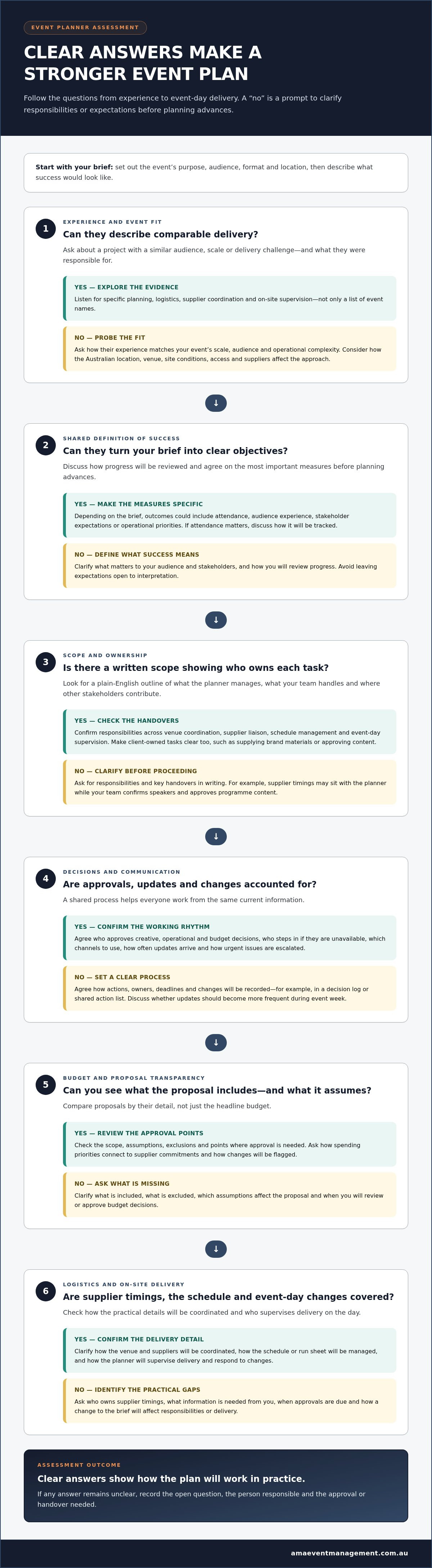
Ask: “Can you describe a project with a similar audience, scale or delivery challenge, and what were you responsible for?” Listen for specific examples of planning, logistics, supplier coordination and on-site supervision, rather than a list of event names. A market, for instance, calls for detailed vendor coordination, while a corporate conference may depend on a carefully managed programme and stakeholder expectations.
Consider whether the planner’s experience aligns with your requirements. Corporate, community, market and private events can involve different priorities. AMA Event Management’s work spans events from executive retreats to large-scale national expos, and founder Amanda brings more than 20 years of industry experience. Ask how that experience would translate into oversight suited to your brief.
How will you define success for this event?
Ask: “How would you turn our brief into clear objectives, and how will we review progress?” A strong discussion connects the event’s purpose to outcomes you can assess. Depending on the brief, these might include attendance, audience experience, stakeholder expectations or operational priorities. Agree on the most important measures before planning advances.
Clarify how the planner will keep you informed as objectives take shape and decisions are made. If attendance is a priority, discuss how it will be tracked. If the focus is the attendee experience, agree on what that means for your audience. These questions to ask a potential event planner establish a shared definition of success instead of leaving expectations open to interpretation.
Questions about scope, decision-making and communication
A clear scope turns good intentions into workable responsibilities. Ask for a plain-English outline of what the planner will manage, what your team will handle and where other stakeholders need to contribute. These questions to ask a potential event planner can reveal gaps early, before tasks are duplicated or left unassigned.
What does the planner manage from brief to event day?
Ask which planning phases and logistics sit within the planner’s remit. Clarify how they’ll coordinate the venue, procure and liaise with vendors, manage the schedule and supervise delivery on the day. Then identify client-owned tasks, such as supplying brand materials, approving content or coordinating internal presenters. The aim is a shared view of ownership, not assumptions.
Request a written scope that names responsibilities and key handovers. For a conference, for example, the planner might oversee supplier timings while your team confirms keynote speakers, coordinates corporate entertainment specialists like Ocomedy Show, and approves programme content. A broader guide to choosing an event management agency can help you consider overall fit alongside this closer look at scope.
How will decisions, updates and changes be managed?
Agree who can approve creative, operational and budget decisions, and who steps in if that person is unavailable. Ask how the planner records actions, owners, deadlines and changes, so everyone works from the same current information. A decision log or shared action list makes responsibilities visible without adding unnecessary complexity.
Set a communication rhythm that suits the project. Agree which channels to use, how often you’ll receive progress updates and how urgent issues will be escalated. Discuss whether updates should become more frequent during event week, when supplier coordination and final decisions may need closer attention.
Make the handover explicit. Ask what information the planner needs from you, when approvals are due and how a change to the brief will be assessed for its effect on responsibilities or delivery. This keeps decisions moving while ensuring the right people remain accountable.
AMA Event Management brings planning, logistics, vendor coordination and on-site supervision together to support practical event delivery. For a corporate or community event in Sydney, Melbourne or elsewhere, AMA’s event management services cover the connected tasks that can be set out in your scope.
Questions about event budgets, vendors and proposal transparency
A budget is a working plan, not just a total at the end of a proposal. Ask how the planner will connect your priorities to spending decisions, track supplier commitments and flag changes before they affect the event. These questions to ask a potential event planner help you understand what’s proposed and how financial decisions will be managed as plans develop.
A useful proposal makes scope, assumptions and responsibilities visible, so you can understand what’s being planned and which decisions still need your approval.
How will you build and monitor the event budget?
Ask: “How will you allocate the budget against our priorities, and how will we see the latest position?” The planner should explain how priorities inform choices, whether that means directing resources towards the guest experience, production or essential logistics. Ask how supplier quotes, confirmed commitments and approved changes will be recorded, and how often you’ll receive an updated view.
Clarity matters before a commitment is made. Ask how the planner will flag emerging cost pressures, explain the options and seek approval before proceeding with a change. Ask what happens when a quote differs from an early estimate, or when a requested adjustment affects other parts of the plan. This makes budget oversight a shared decision process rather than a surprise at the end.
How are suppliers and proposal assumptions handled?
Ask how supplier options are sourced and assessed against the event brief, operational requirements and audience. A suitable option needs to work in context: the supplier’s offer should align with the event schedule, site requirements and expected experience. Clarify who will communicate with suppliers, coordinate their deliverables and confirm that each commitment fits the wider plan.
Then review the proposal line by line. Look for what’s included, what’s excluded, what the planner is assuming and which inputs or approvals are your responsibility. If a proposal refers to “vendor coordination”, ask what that means in practice. Does it cover initial procurement, ongoing liaison, schedule coordination or delivery oversight? Specific descriptions make it easier to compare proposals fairly.
Before agreeing, ask where approval points sit, especially for supplier selection and changes that affect the budget or agreed scope. Have important assumptions and responsibilities recorded in writing. This gives both parties a practical reference as the event moves from planning into delivery and helps keep supplier decisions aligned with the brief.
Questions about event logistics, contingencies and on-site delivery
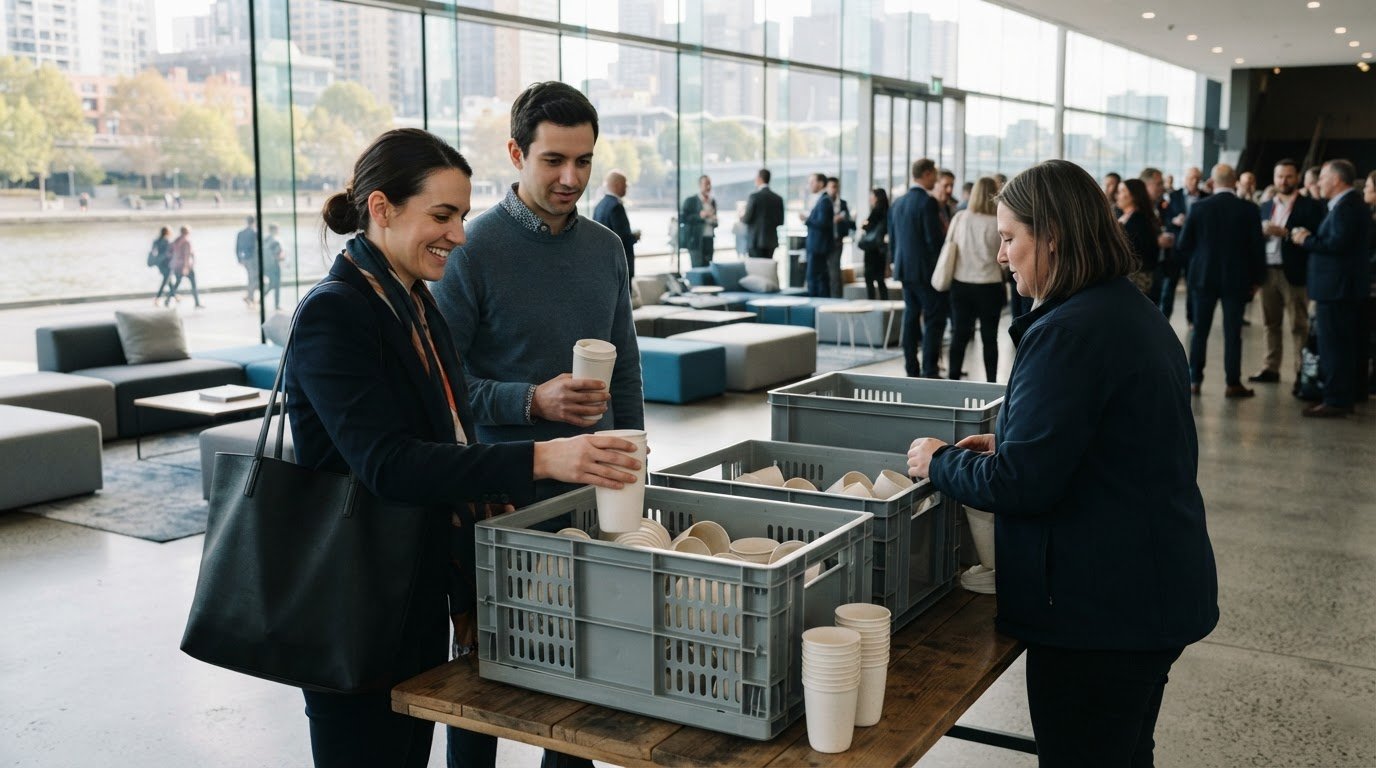
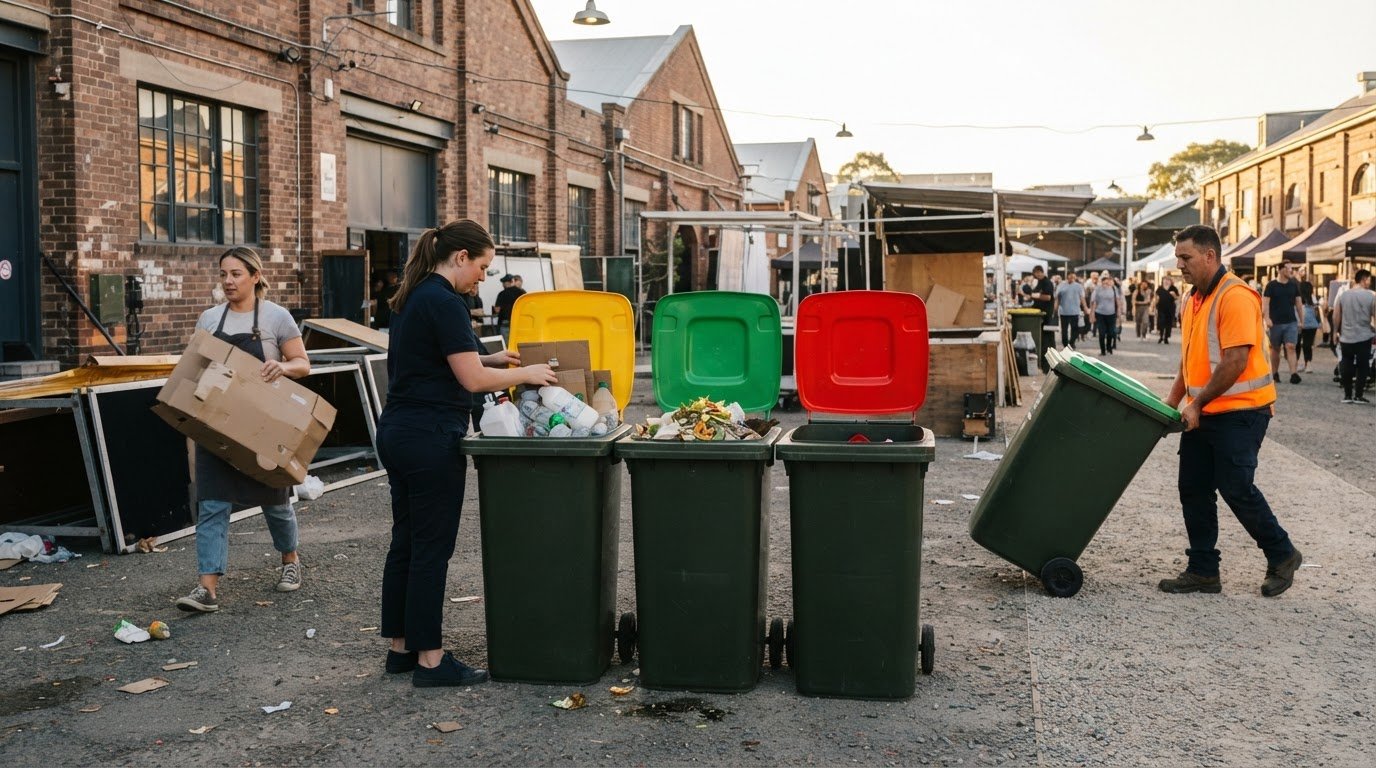
A well-developed plan needs to work at the actual site, not just on paper. Ask how the planner will turn the schedule into a run sheet, coordinate supplier arrival times and manage access from bump-in through to bump-out. These questions to ask a potential event planner help you understand how logistics will come together on the day and who will oversee delivery.
How will you turn the plan into a workable event-day schedule?
Ask what the run sheet will cover, who maintains it and how the latest version will be shared with you and relevant suppliers. It should set out key timings, responsibilities and handovers, including setup, event operations and pack-down. Clarify how the planner will align supplier deliveries and service times, and who checks that updates reach the people affected.
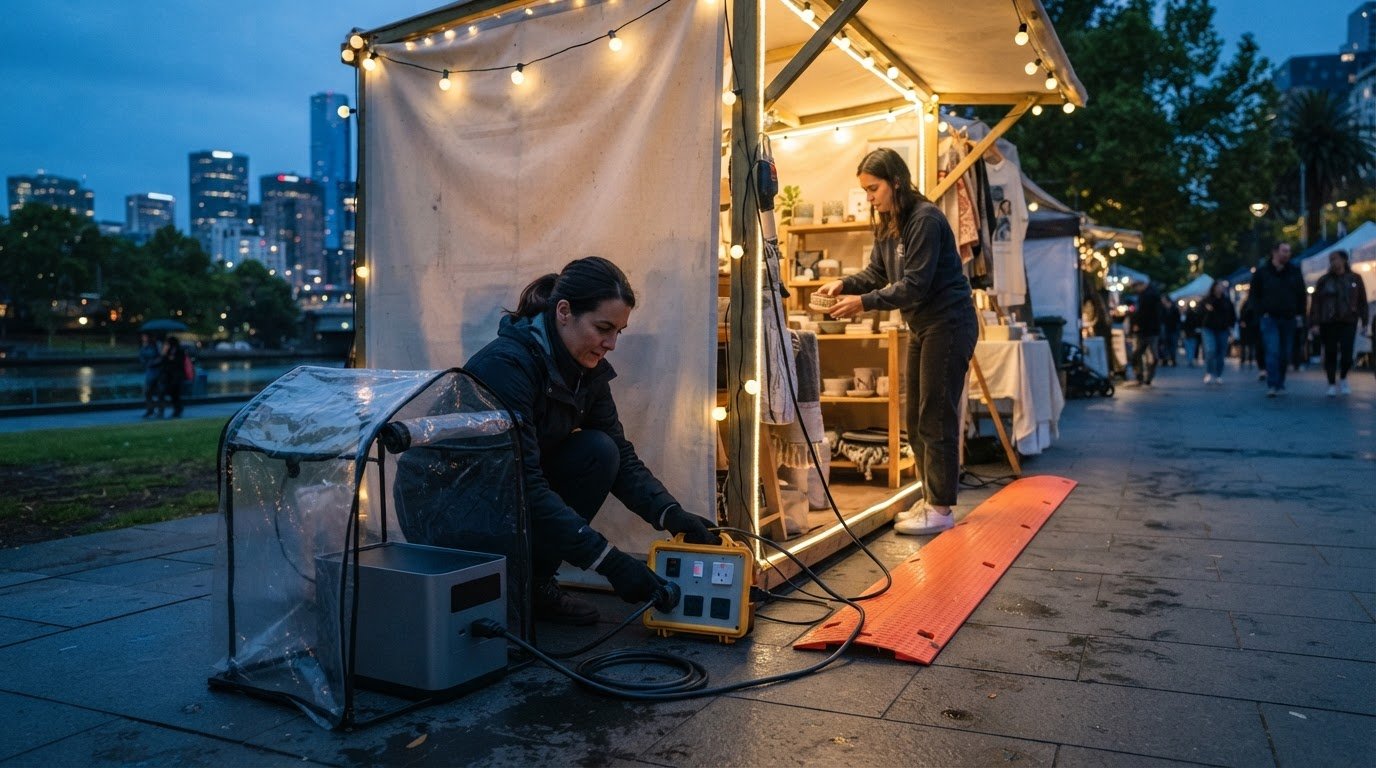
Site conditions matter. Ask how the schedule will account for venue access, loading arrangements and any restrictions that affect the event. For an outdoor event, discuss how weather considerations may affect the programme or site setup. For an urban venue, ask how transport and access will be factored in. Requirements differ by location and site, so the plan should reflect your venue rather than rely on a generic template.
How do you prepare for changes and contingencies?
Ask for an example of an unexpected event-day change the planner has managed and how they communicated it. Then discuss plausible disruptions for your event, such as a delayed supplier, wet weather or a change to site access. The aim isn’t to anticipate every scenario, but to understand how the planner identifies pressure points and prepares a response process.
Agree who can make immediate operational decisions, which changes need your approval and how urgent issues will be escalated. Clarify the communication route between the on-site lead, your nominated contact and suppliers. Ask who leads on-site supervision, how the team shares updates and what happens if a decision-maker can’t be reached. A clear process helps people respond in a coordinated way without promising that every disruption can be avoided.
Before committing, make sure the answers connect the run sheet, site requirements and on-site responsibilities into one practical delivery plan. AMA Event Management brings planning, logistics, vendor coordination and on-site supervision together for corporate and community events. AMA’s event logistics services support this connected approach to planning and delivery.
Questions to ask before appointing an event planner: what happens next
Before making a decision, look for consistent evidence of relevant experience, clear ownership, a transparent scope and disciplined delivery. Strong answers should explain how the planner’s approach will fit your event, not rely on broad assurances. The questions to ask a potential event planner are most useful when you record what you learn and compare each conversation against the same priorities.
How can you compare answers fairly?
Use a simple scorecard based on your event objectives and the criteria that matter most. Record specific examples and working processes separately from general claims. For each planner, note whether their answers explain:
How responsibilities and decisions will be managed.
What’s included in the proposed scope, and what remains with your team.
How communication, budget oversight and operational delivery will work.
Any unanswered questions, agreed actions and who owns each next step.
Apply the same criteria to every conversation. A confident presentation can be reassuring, but a clear explanation of how planning and delivery work gives you more useful points to compare.
What should happen after the initial conversation?
Prepare a concise brief that sets out your objectives, audience, location, timing and known constraints. Share it with the planner, confirm which priorities should guide decisions, then review the proposed scope and responsibilities together. Agree how updates will be handled and how budget oversight will keep you informed as planning progresses.
Before moving into the next planning stage, capture agreed actions and outstanding decisions in writing. This gives both sides a practical reference and helps prevent different expectations from taking shape. It also lets you assess whether the proposed approach connects the event’s purpose to its operational requirements.
At AMA Event Management, planning, logistics, vendor coordination and on-site supervision form a joined-up approach to delivery. This structure connects the brief with practical details while keeping responsibilities and moving parts in view. It supports events across corporate and community settings, from executive retreats to large-scale national expos.
Once the checklist has clarified your priorities, see how AMA Event Management can support your event.
Choose your planner with clarity and confidence
The strongest fit is more than a creative match. Look for relevant delivery experience, clear responsibilities, transparent budget oversight and a practical approach to communication and change. Use your notes to compare specific examples and processes against your event’s needs, then agree on scope and next steps before planning moves forward.
The questions to ask a potential event planner turn an initial conversation into a considered decision. They also give you a clearer basis for working collaboratively, with shared expectations from the outset.
At AMA Event Management, founder Amanda brings more than 20 years of industry experience. Planning, logistics, vendor procurement and on-site supervision come together to support delivery from the first decisions through to event day.
For your event in Sydney, Melbourne or elsewhere, discuss your event with AMA Event Management and take the next step with a clear brief and a practical plan.
Frequently Asked Questions
What should I ask an event planner in the first meeting?
Ask about experience, scope, communication, budget oversight and event-day responsibilities. Bring a concise brief covering your event’s purpose, audience, format, location, timing and known constraints. Ask which comparable events the planner has delivered and what they personally managed. The questions to ask a potential event planner should also clarify who approves decisions, how changes are recorded and how the planner will keep you informed as plans progress.
How do I know if an event planner is right for my event?
A planner is a strong fit when their relevant experience, working approach and proposed responsibilities align with your event’s needs. Look for specific examples of comparable delivery, clear explanations of how they organise the work and thoughtful questions about your objectives. Consider whether their communication style suits your team and whether their proposal makes scope and accountability easy to understand. Compare evidence and processes, not just confidence or creative ideas.
What should an event management proposal include?
An event management proposal should set out the proposed scope, responsibilities, planning and delivery approach, budget process, communication arrangements and approval points. It should make assumptions and exclusions clear, including which tasks remain with you or your internal team. Review how vendor coordination, logistics and on-site supervision are addressed. A well-structured proposal helps you understand what’s being managed, how decisions will be made and what information is needed to proceed.
How does an event planner manage the budget and suppliers?
An event planner connects budget priorities with supplier procurement and delivery requirements. Ask how they track quotes, commitments and approved changes, and how they’ll raise emerging budget pressures before decisions are made. Clarify who communicates with suppliers, coordinates their deliverables and seeks your approval for key commitments. For a Sydney market or a Melbourne conference, supplier choices and logistics should reflect the event brief, site and audience rather than follow a generic template.
Can an event planner manage the event on the day?
Yes, an event planner can manage on-site delivery when that responsibility is included in the agreed scope. Confirm who leads on the day, coordinates suppliers, checks the run sheet and communicates changes to your nominated contact. Ask how urgent decisions will be escalated and which matters need your approval. AMA Event Management’s work can include planning, logistics, vendor coordination and on-site supervision, linking preparation with practical delivery.
When should I engage an event planner in Australia?
Engage a planner once you can outline the event’s purpose and key requirements, then involve them early enough to shape the planning approach. Timing depends on the event’s scale, location, format and complexity, so there’s no single lead time that suits every project. For events in Sydney or Melbourne, share what you know about the venue, timing, access and constraints. These details help inform the planning discussion.
What is the difference between an event planner and an event coordinator?
An event planner typically works across the broader planning process, while an event coordinator often focuses on organising logistics and keeping agreed plans aligned, particularly closer to delivery. However, titles can vary between businesses, and responsibilities may overlap. Rather than relying on the label, ask what each role covers, who manages suppliers and decisions, and whether on-site supervision is included. A written scope is the clearest way to understand the division of work.
Comments